How to Read a Tidal Flat for Redfish
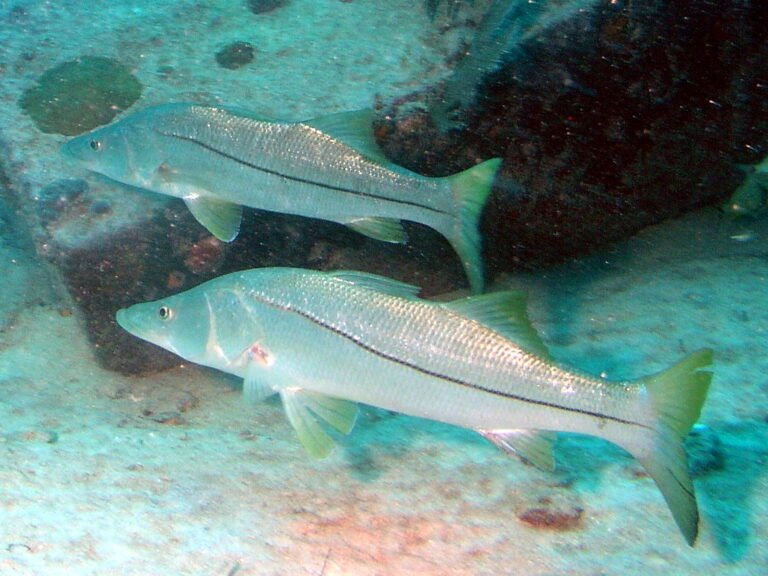
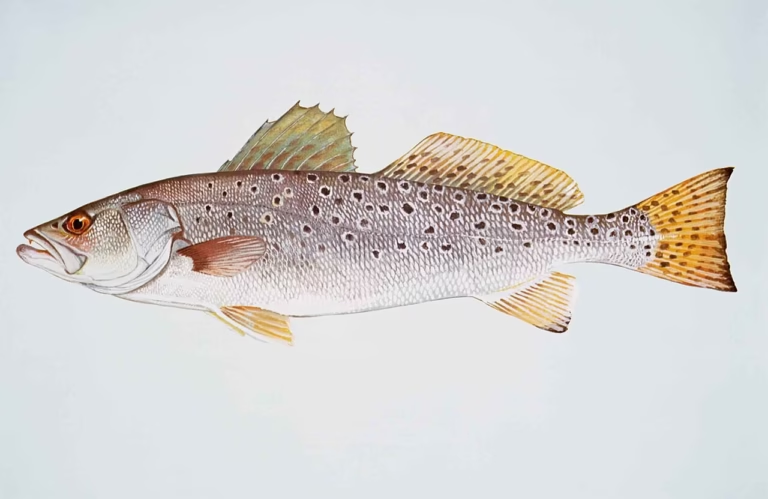
You don’t find redfish by covering water. You find them by reading it. The difference between a productive flat and a blank morning comes down to understanding what the tide is doing, where the bait is sitting, and which structure is holding fish. Once that clicks, you stop guessing and start hunting. The same principles apply when targeting snook and spotted seatrout, which use many of the same flats and respond to the same tidal cues.
Why Redfish Live on Flats in the First Place
Red drum (Sciaenops ocellatus) are built for shallow water. Their mouth angles slightly downward — perfect for rooting crabs and shrimp off a sandy bottom. Crushers in the back of their throat crack shells that would stop other fish cold. Their lateral line detects the vibration of a scuttling fiddler crab from several feet away.
Flats deliver exactly what redfish need: food concentration, warm water, and structure to ambush from. Seagrass beds hold shrimp, crabs, and small baitfish. Oyster reefs create current breaks and crush zones where baitfish stack. Potholes — dark, bare-bottom depressions in the grass — act as ambush points where redfish wait for prey to be swept toward them.
Water temperature drives the whole equation. Redfish feed aggressively between 70°F and 90°F. Below 52°F they essentially shut down. That’s why Gulf Coast flats — warming earlier in spring, holding heat deeper into fall — produce some of the most consistent redfish sight-fishing in North America. According to the ASMFC’s life history report on red drum, juveniles and sub-adults rely on seagrass beds, oyster reefs, and estuarine shallows through their first several years of life before moving offshore as mature adults.
The Tide Is the Engine
If you understand one thing about reading a flat, make it this: the tide controls everything.
Water movement pushes bait. Bait pushes redfish. Fishing a flat at the wrong tide stage is like hunting a field that was plowed yesterday — the action happened somewhere else.
Incoming Tide
On a rising tide, redfish push from deeper staging areas — channels, creek mouths, deeper bay bottoms — onto the flats, following the leading edge of the water. The first flood is often the most aggressive feeding window. Bait gets pushed ahead of the water, concentrating on flat edges and grass lines. Redfish know this. They ride the front edge.
During incoming tide, focus your attention on:
– The shallow back edges of the flat where the water is just arriving
– Grass bed margins where the rising water first floods submerged vegetation
– Cuts and drains channeling water onto the flat — redfish stack in these current seams
Outgoing Tide
A falling tide does the opposite — it funnels everything back out. Bait drains toward channels and creek mouths, and redfish follow it off the flat. Outgoing tide concentrates fish around structure that funnels flow: oyster reef points, channel edges, and drain cuts.
Key spots on an outgoing tide:
– Oyster reef points where water accelerates around structure
– Creek mouths and tidal cuts where draining water concentrates bait
– The deep edge of the flat where fish stage before moving completely off
Dead Low and High Water
Slack tide — especially dead low — is generally the least productive period on a flat. Water isn’t moving, bait isn’t being pushed, and fish tend to be scattered or inactive. If you’re forced to fish slack water, work the deepest available structure: channel ledges, potholes, and anything holding shade.
Tide Stage Quick-Reference
| Tide Stage | Redfish Location | Feeding Behavior | Best Approach |
|---|---|---|---|
| Early incoming | Channel edges, flat entrances | Aggressive — moving and feeding | Intercept fish on the push; work cuts and drain edges |
| Mid to high incoming | Back grass flats, marsh edges | Actively rooting, tailing in skinny water | Sight-fish; lead tailing fish by 3–5 feet |
| High water (slack) | Spread across flat, marsh pockets | Slower, opportunistic | Cover water with weedless presentations in grass |
| Early outgoing | Flat interior, moving toward structure | Feeding as bait concentrates | Focus on oyster bars, current seams |
| Mid to low outgoing | Reef points, creek mouths, channel edges | Ambushing funneled bait | Drift bait through cuts; work behind oyster bars |
| Dead low (slack) | Deepest potholes, channel ledges | Inactive or lethargic | Slow presentations in deepest available water |
Reading the Structure
Seagrass Beds
Seagrass — shoal grass, turtle grass, widgeon grass depending on where you’re fishing — is the foundation of the flat ecosystem. It holds shrimp, crabs, pinfish, and mullet. Redfish cruise along grass edges more than they push through the middle of thick mats. The edges create a lane.
Look for where the grass becomes patchy or transitions to bare sand — that transition zone is a feeding highway. Tailing redfish in ankle-deep grass with their copper-brown backs breaking the surface are one of the great sights in inshore fishing.
Oyster Reefs and Shell Points
Oyster structure does two things: it creates current breaks that concentrate bait, and it gives redfish a hard substrate to ambush from. A shell point that juts into a tidal flow will almost always hold fish on a moving tide. The upstream side stacks bait; redfish park on the downstream edges and wait.
Don’t ignore subtle shell rake — scattered oyster clumps just below the surface. These show up on a polarized eye as slightly darker patches and rough texture. Redfish use them the same way they use full reefs.
Potholes
Potholes are circular depressions in the grass bottom, ranging from a dinner plate to a car hood in size. Their darker color (they show up as nearly black compared to the pale sand or green grass) makes them visible from a boat or kayak with polarized glasses on a calm day.
Potholes function as ambush zones. A redfish will sit in or near a pothole, slightly lower than the surrounding flat, and wait for the tide to sweep prey across the edge. A well-placed cast to the leading edge of a pothole — on the current-facing side — is one of the most reliable presentations in inshore fishing.
Sand Pockets and Cuts
Cuts are channels that slice through a flat, connecting the main bay to the back portions. They serve as highways for both bait and predators. On a falling tide especially, cuts drain the flat and create the highest concentration of natural prey movement you’ll find anywhere. Redfish — and often trout and flounder — line up along cut edges waiting.
Tidal Flat Layout: Top-Down Diagram
Sight-Fishing vs. Blind-Casting
Sight-Fishing
When conditions allow — calm water, good light (sun at your back or overhead), polarized glasses — sight-fishing for tailing or cruising redfish is the highest-percentage approach on a flat. You’re casting at specific fish, not at water.
Watch for:
– Tails and dorsal fins above the surface in very shallow water
– Wakes — a V-shaped surface push from a moving fish
– Nervous water — a subtle disturbance as a fish moves through the shallows
– Mud plumes — suspended sediment from a rooting redfish
– Mullet explosions — a school of mullet scattering often means a predator is underneath
Lead a tailing fish by 3 to 5 feet and let the presentation settle before the fish arrives. Don’t cast on top of it.
Blind-Casting
When water clarity is poor, wind chops the surface, or conditions otherwise limit visibility, blind-casting to structure is the reliable backup. Work potholes methodically, cast along oyster reef edges, and keep presentations in the strike zone at the current-facing side of any structure.
Wading, Kayak, or Boat: Choosing Your Platform
Each approach has a place depending on the flat.
Wading is the quietest option. No hull pressure wave, no motor noise. On ultra-shallow flats where boats can’t go and kayaks run aground, wading lets you cover the most productive back-country water. Move slowly — one step every few seconds in areas you’re scanning.
Kayak covers more ground than wading while maintaining a low profile. A paddle kayak or push-pole kayak lets you access mid-depth flats efficiently. See our guide to the best fishing kayaks under $1,000 in 2026 for flat-specific options with low-profile hull designs.
Flats skiff or shallow-draft boat makes sense when you need to cover large flats quickly or position repeatedly on roaming schools. Keep the trolling motor on low, use a push pole in the shallowest areas, and kill the outboard well before you’re in fishing range.
Seasonal Patterns on Gulf Flats
Spring (March–May)
As water temps climb past 65°F, redfish return to shallower flats in numbers after wintering in deeper bays. Early spring fishing is best on the warmest afternoons when sun has heated dark-bottom flats a few degrees above ambient bay temperature.
Summer (June–August)
Heat pushes fish off the shallowest flats during midday. Early morning and the last two hours of light are the windows. Look for redfish on deeper grass flats (2–3 feet) during summer midday. Dawn on a falling tide with bait stacked on oyster points is as good as it gets.
Fall (September–November)
Fall is the crown jewel on Gulf flats. Water temperatures drop into the 70s, mullet are running, and redfish school up — sometimes in large pods — before moving toward winter habitat. Tailing fish are common through October. Large schools of schoolie reds — 20 to 50 fish moving together — work the flats systematically and can be intercepted with precision casts. According to Texas Parks and Wildlife, fall redfish push hard along spoil islands, back lakes, and grass edges around the major Texas bays.
Winter (December–February)
Cold fronts push redfish off flats and into deeper bay basins and shell pad areas. Short warming windows after a front passes can spark brief, intense flat fishing. Target the shallowest, darkest-bottom flats on calm, sunny winter afternoons.
Presentations That Match the Flat
For flat-specific rigs, a gold spoon, soft plastic on a 1/8 oz jighead, or a live shrimp under a popping cork all produce — depending on water depth and fish behavior. A weedless hook and a soft plastic paddle tail fished just over the grass is the go-to blind-cast presentation. For visible tailing fish, a gold weedless spoon is hard to beat for its simplicity and accuracy.
For rig breakdowns by flat type, see our full guide at /saltwater-fishing-rigs/, which covers popping cork setups and Carolina rigs for different flat depths.
FAQ: Reading Tidal Flats for Redfish
Q: What is the best tide stage for catching redfish on a flat?
Early incoming tide is generally the most productive. Redfish push onto the flat aggressively following the leading edge of water, with bait concentrating ahead of them. The hour before and after the turn to incoming tide is prime.
Q: How do I find redfish potholes?
Look for dark, circular depressions on the flat bottom when viewed with polarized glasses on a calm, sunny day. They’re darker than surrounding sand and slightly irregular in shape — sometimes 2 feet across, sometimes 15 feet. Work the current-facing edge of the pothole.
Q: Why do redfish tail on flats?
Tailing occurs when redfish feed in very shallow water with their heads down rooting for crabs, shrimp, or small baitfish in or near the bottom grass. Their tail breaks the surface. It typically happens on high-incoming tide when fish push into the shallowest areas.
Q: What water temperature is best for flat fishing redfish?
Redfish feed most aggressively between 70°F and 90°F. The sweet spot on Gulf flats is 72–82°F — common from March through November across most of the Gulf Coast. Feed rates drop sharply below 60°F and essentially stop below 52°F.
Q: What are the best baits for tidal flat redfish?
On flats, gold spoons (weedless), soft plastic shrimp imitations on light jigheads, live or fresh-dead shrimp, and small paddle tail plastics rigged weedless are the workhorses. Match presentation weight to water depth — heavier jigheads sink into grass and foul.
Q: How do I approach a flat without spooking redfish?
Kill the outboard 200–300 yards from where you plan to fish. Use a push pole or electric trolling motor on low. If wading, move in slow motion — one step every several seconds. Polarized glasses are essential for spotting fish before you’re on top of them.
Q: Do redfish stay on flats year-round in the Gulf?
Juveniles and sub-adults use inshore flats for the first three to four years of their lives. After that, large “bull reds” (5+ years old) move to nearshore coastal waters and are generally not found on shallow flats. The fish you’re targeting on Gulf flats are typically 18 to 27 inches — the sub-adult class that stays in the estuary.
Read Next
- The Best Fishing Kayaks Under $1,000 in 2026 — flat-friendly low-profile picks
- Saltwater Fishing Rigs — popping cork, Carolina rig, and weedless setups for flats
- Gulf Red Snapper 2026: Season Dates and What You Need to Know
Sources: ASMFC Red Drum Life History and Habitat Needs (2024); Texas Parks and Wildlife Department Red Drum Species Profile; South Carolina DNR Red Drum Life History; Florida Museum of Natural History Red Drum Species Profile; In The Spread, “Redfish — How Tides Affect Feeding Behavior”; DriftWater Charters, “Exploring Red Drum Habitat”; UF/IFAS Extension Pasco County, Gulf Coast Catch and Cook: Redfish (2025).
Gear We Recommend
Here is the gear that makes this easier, ready to shop. As an Amazon Associate, we earn from qualifying purchases.
- 7ft inshore rod — See inshore rods
- 3000 spinning reel — Shop reels
- Braided line — Compare braid
- Fluorocarbon leader — See leader
- Popping cork — Shop popping corks
- Fishing pliers — See pliers