Southern Flounder Fishing: How to Find and Catch This Crafty Flatfish
Southern flounder are the fish that humbles you. Experienced anglers regularly walk right over flounder holding in a sandy depression just inches from their feet, completely unaware. These flatfish are so well camouflaged that they become part of the bottom—and that’s exactly what makes them fascinating and challenging to catch.
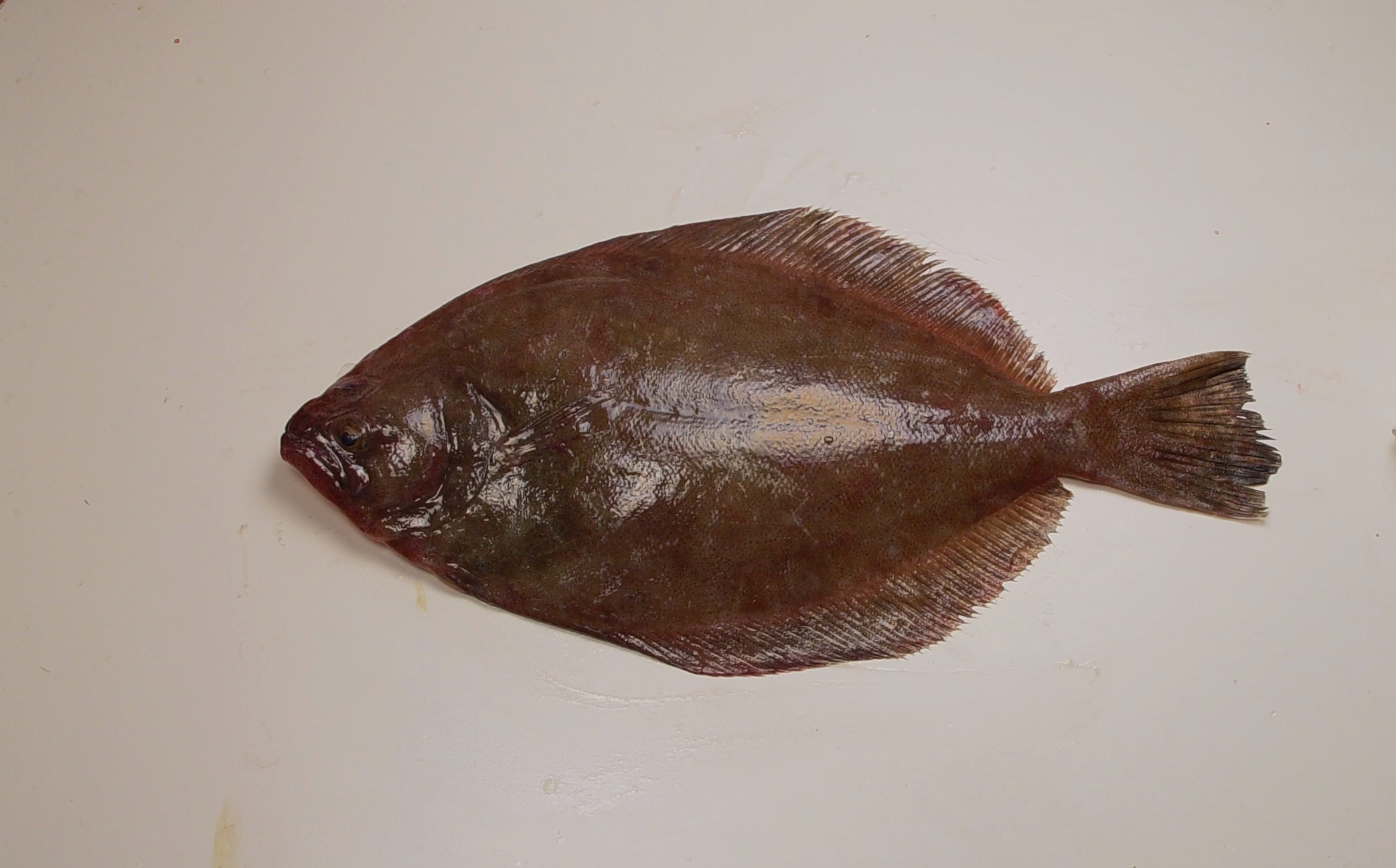
Southern flounder (Paralichthys lethostigma) are a favorite target for wade-fishermen in the shallow bays of the Florida Panhandle and across the northern Gulf. They are ambush predators with a remarkable ability to change color to match their surroundings. Catching them consistently requires you to think like a fish that doesn’t want to be seen.
Understanding the Southern Flounder
Southern flounder are flatfish that lie motionless on the bottom, waiting for prey to wander within striking distance. Both eyes migrate to the left side of the body as juveniles—so the left side always faces up. They’re capable of rapid color change, shifting from sandy brown to match a muddy bottom or take on the mottled pattern of shell hash and grass roots in seconds.
These fish are ambush predators that prefer structure—any change in bottom composition, current break, or depth change is potential flounder territory. They particularly love the transition zones where hard bottom meets sand, or where a grass flat gives way to an open sandy area. In the Florida Panhandle, they are most reliably found near the mouths of tidal drains, along shell bars, and in the sandy potholes that dot the grass flats.
Where to Find Flounder
The key to flounder fishing is thinking in terms of ambush points. Flounder don’t chase bait the way redfish or trout do. Instead, they pick a spot with a current seam that will deliver food to them and wait. High-percentage locations include:
Dock and bridge pilings: Flounder love the shade and current disruption around structures. They’ll lie in the shadows waiting for baitfish and shrimp to be swept past. Night fishing around lighted docks with a live shrimp is one of the most reliable methods there is.
Tidal creek mouths: As tide drains from marsh and flat areas, baitfish funnel through creek mouths. Flounder park right at these exit points and pick off everything that washes by.
Grass edges: The hard edge where seagrass meets bare sand is classic flounder habitat. Fish parallel to this edge and you’ll find fish.
Sandy depressions on flats: The potholes and sandy lanes you see while wade-fishing are not random—they’re often feeding stations for flounder. Cast to them systematically.
Fall Migration: The Best Time to Fish
If you pick one time of year to target flounder, make it October and November. Southern flounder make an annual offshore migration in fall to spawn in deeper Gulf waters, and during this movement they stage in incredible numbers in the passes and inlets. Destin Harbor, East Pass, and the various passes along our coastline absolutely load up with flounder during the fall run.
During peak migration, flounder can be stacked along the edges of the pass channel so thick that catching a limit feels almost too easy. The fish are actively feeding, bulking up for their offshore journey. Live finger mullet and large shrimp fished on the bottom near channel edges are the ticket. Don’t overlook the sandy flats adjacent to passes—flounder spread out over these areas on slack tide and a well-placed soft plastic can produce spectacular action.
Best Flounder Rigs and Baits
The classic flounder rig is simple: an egg sinker above a swivel, 18 inches of 20-pound fluorocarbon leader, and a circle hook sized for your bait. Keep it on the bottom. Flounder don’t come up for food—they strike down and forward from their resting position.
Live bait is hard to beat. Finger mullet are my top choice—they’re available everywhere, stay alive well in a bucket, and flounder simply cannot resist them. Hook one through the lips or behind the dorsal fin and drag it slowly along the bottom. Live mud minnows (bull minnows) are equally excellent and particularly effective in murky water.
For artificial lures, a soft plastic paddle tail or shrimp imitation on a 1/4 oz jig head is a reliable go-to. The key is fishing it dead slow—bounce it along the bottom with long pauses. Flounder often take the bait during that dead stop. Strike Zone, Gulp! Alive shrimp, and DOA Shrimp are all reliable producers.
How to Hook and Land Flounder
The most common mistake I see is people setting the hook too quickly. When a flounder strikes, it grabs the bait and flips it to face the right direction before swallowing—this can take several seconds. Feel the initial thump, drop the rod tip to give slack, wait a three-count, then drive the hook home. With circle hooks, don’t jerk—just reel firmly and let the hook set itself as the fish turns.
Flounder can be deceptively heavy. A 4-pound flounder feels like a rock when you’re trying to drag it off the bottom, and a 6-pounder will genuinely surprise you. Use a landing net if you have one—flounder are not jumpers but they do shake their heads, and losing a big fish at the boat is heartbreaking.
Flounder Conservation
When you do release flounder, handling matters more than most anglers realize. Florida’s flounder regulations have become more conservative in recent years, reflecting population pressures across the species’ range. Check current FWC regulations before fishing—bag limits and size minimums apply. Consider releasing larger females, which produce far more eggs than smaller fish and are critical to population recovery. A 20-inch flounder is a trophy worth admiring and releasing.
Southern Flounder: Quick Reference
| Category | Details |
|---|---|
| Scientific Name | Paralichthys lethostigma |
| Florida Size Limit | 12 inches total length |
| Bag Limit | 10 per person/day (verify current FWC rules) |
| Peak Season | Fall (Oct–Nov) migration is best; also Spring |
| Primary Habitat | Sandy/mud bottom, pass edges, grass flat margins, creek mouths |
| Top Baits | Live finger mullet, mud minnows, jumbo shrimp; gulp shrimp, paddle tail jigs |
| Best Tackle | Medium spinning, 15–20 lb braid, 20–25 lb fluoro leader, 1/4–1/2 oz jig heads |
| Retrieve | Slow drag on the bottom; flounder strike upward so keep bait near the sand |
| Best Tide | Outgoing — flounder stage at pass edges waiting for bait to wash through |
Flounder Rig Comparison
| Rig Type | Best For | Setup | Tip |
|---|---|---|---|
| Jig Head + Paddle Tail | Active fishing, covering structure | 1/4–1/2 oz jig, 3–4″ white or chartreuse paddle tail | Drag slowly on bottom; pause frequently |
| Carolina Rig (Live Bait) | Anchored fishing in passes, bridge approaches | 1/2 oz egg sinker, 18″ fluoro leader, 1/0–2/0 hook | Use live mullet or mud minnow; let flounder run before setting hook |
| Gulp Shrimp on Jig | Flats, creek mouths, dock edges | 1/8–1/4 oz jig, Gulp Shrimp in Natural Shrimp color | Best on light current; scent disperses well at rest |
| Float + Live Shrimp | Shallow flat margins, grass edges | Popping cork, 18–24″ leader, #1 hook, jumbo shrimp | Set depth to keep shrimp 6″ above bottom |