Live Bait vs. Artificial Lures: What Actually Works Inshore
The live bait versus artificial lures debate is older than fiberglass boats, and it still starts arguments at every tackle shop in Florida. Both approaches have their place, and the honest answer is that neither is always better. What matters is understanding when each gives you an edge — and the answer changes by species, season, water conditions, and the experience level of the angler using it.
The Case for Live Bait
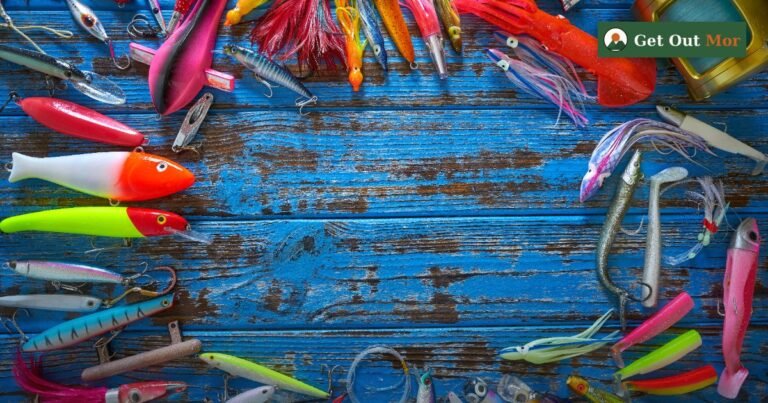
Stock these versatile inshore artificials. As an Amazon Associate, we earn from qualifying purchases.
- Soft plastic jerkbaits — See jerkbaits
- Paddle-tail swimbaits — Shop paddle tails
- Popping cork rig — See popping corks
- Gold weedless spoon — Browse spoons
- Topwater walking bait — See topwater
- Jig heads assortment — Shop jig heads
- Bait bucket & aerator (for live bait) — See bait buckets
Live bait is effective for a simple reason: it’s real. A live shrimp smells exactly like a shrimp, moves exactly like a shrimp, and triggers every sensory system a fish uses to locate food. In dirty water where visibility is low, in cold water when fish are lethargic, and in situations with pressured fish that have seen every artificial in the tackle box — live bait often wins convincingly.
The tradeoffs are real, though. Live bait requires a livewell or aerated bucket, regular maintenance on the water, a stop at the bait shop (or a cast net and early morning), and limits on how far and how precisely you can cast. A live pinfish doesn’t cast 60 feet; it barely goes 30. And a pinfish in a 10 mph crosswind goes where it wants.
The Case for Artificial Lures
Artificials offer total control. You decide exactly where the bait lands, how fast it moves, at what depth, and with what action. You can cover water 10x faster than with live bait, trigger reaction strikes from fish that aren’t actively feeding, and target specific presentations that match a hatch. With experience, artificials can outfish live bait even in conditions that favor real bait — because an experienced angler presenting a paddle tail correctly in the right spot at the right time gives fish a target they can’t resist.
The tradeoff: artificials have a learning curve. Dialing in presentation — retrieve speed, jig head weight, depth control, matching bait profiles to what’s in the water — takes time and experimentation. A beginner with live shrimp under a popping cork will usually outfish a beginner trying to work a soft plastic on a jighead. An experienced angler flips that equation entirely.
Head-to-Head: Species by Species
| Species | Live Bait Edge | Artificial Edge | Verdict |
|---|---|---|---|
| Redfish | Cold fronts; stubborn biters | Sight fishing, covering water, topwater action | Artificials in sight-fishing; live bait on cold days |
| Spotted Seatrout | Winter, cold water, dock fishing | Covering flats, matching glass minnow hatches | Artificials win most conditions; live bait in cold |
| Snook | Live pinfish or pilchards year-round; night fishing | Topwater dawn and dusk; jerkbaits at mangroves | Live pilchards often outperform; artificials in active dawn bite |
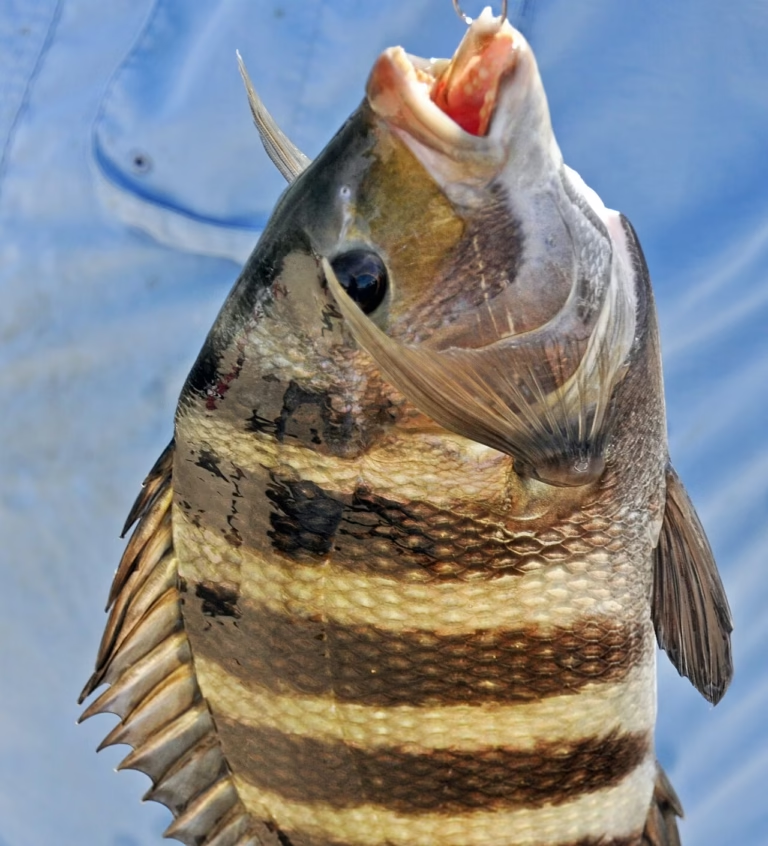
| Sheepshead | Fiddler crabs, sand fleas — almost mandatory | Small soft plastics with scent; limited effectiveness | Live/fresh bait wins decisively |
| Pompano | Sand fleas, fresh shrimp pieces | Jigs, Silly Willy rigs, small grub tails | Roughly equal; jigs cover surf zone better |
| Flounder | Live mud minnows, finger mullet | Paddle tail soft plastics dragged slowly | Live mud minnows edge artificials; both work |
| Black Drum | Blue crab, shrimp | Limited; scented soft plastics help | Live/fresh bait dominant |
| Cobia | Live eels, pinfish, remora | Large paddle tails, bucktail jigs | Live bait on chummed fish; artificials for sight-casting |
Conditions That Favor Live Bait
| Condition | Why Live Bait Wins |
|---|---|
| Water below 60°F | Cold fish are lethargic and won’t chase; live bait in the strike zone is easier |
| Muddy or stained water (visibility <12″) | Fish use scent more than sight; live bait provides scent trail that artificials lack |
| Post-cold-front “lockjaw” | Pressured, reluctant fish need maximum enticement; slow-presented live bait is key |
| Species with scent-dominant feeding (sheepshead, drum) | These species locate food primarily through scent; no artificial replicates it fully |
Conditions That Favor Artificials
| Condition | Why Artificials Win |
|---|---|
| Sight fishing on clear shallow flats | Cast accuracy and landing control are critical; artificials land where you aim |
| Covering large areas of water | A paddle tail can be worked 5x faster than a live bait presentation; great for locating fish |
| Active dawn/dusk bite with surface feeding | Topwaters trigger explosive strikes; no live bait matches a walk-the-dog surface plug |
| Targeting specific structure with precision | Casting to a specific piling or mangrove root requires accuracy that only artificials deliver |
The Most Versatile Artificials for Florida Inshore
- Paddle tail soft plastics (3–5″) on a 1/4 oz jighead — works on virtually every inshore species; the most versatile lure in Florida inshore fishing
- Gold spoon (1/2 oz) — weedless design for shallow redfish; outstanding sight-fishing lure
- Topwater plugs (walk-the-dog style) — early morning snook and trout; some of the most exciting strikes in saltwater fishing
- DOA Shrimp / scented soft plastics — bridge the gap between artificial and live bait; add scent to an artificial profile
- Jigs (1/8–3/8 oz with bucktail or soft plastic grub) — redfish, flounder, pompano
The Honest Answer
Match your approach to your situation. If you’re a beginning angler building confidence, live bait gives you earlier success that keeps you in the game. If you’re experienced and fishing aggressively for sight-casting or covering water efficiently, artificials will reward you. On any given trip, I usually have both on the boat — live shrimp for when conditions get tough, artificials for when fish are active and I want to cover ground. The ability to switch between them based on what the water tells you is one of the best skills you can develop as an inshore angler.
Related Fishing Guides
- Saltwater Fishing Rigs: Complete Guide
- How to Set Up a Saltwater Fishing Rig for Beginners
- How to Read Tides for Inshore Fishing
- Redfish Fishing Complete Guide
- Florida Pompano Fishing: Surf and Pier Tactics