The Best Times to Fish the Sabine River for Catfish
The Sabine River doesn’t get the same headlines as the Red or the Trinity, but ask any serious catfisherman in East Texas or western Louisiana and they’ll tell you the same thing: the Sabine produces. From Toledo Bend’s deep timber to the wide tidal flats above Sabine Lake, this river runs 555 miles and carries more water to the Gulf than any other Texas river — and that constant flow means consistent habitat, year-round bait, and some of the best catfishing in the South.
Whether you’re after a cooler full of eating-sized channels or you’re chasing a trophy blue pushing 50 pounds, the Sabine can deliver. But timing matters. Here’s what you need to know to put fish in the boat.
Know the River: Upper, Middle, and Lower Sabine
For a comprehensive look at the species itself, see our complete channel catfish guide. The Sabine isn’t one river — it’s three, strung together.
Upper Sabine (Northeast Texas)
This is prairie country. The river runs shallower and faster here, draining a landscape that includes forks like the Cowleech Fork and South Fork before converging in Wood County. Water temps swing harder in the upper reach. Channel catfish dominate here, thriving in the riffles, gravel bars, and undercut banks. You’ll find flatheads tucked into log jams, but the upper section doesn’t have the massive timber concentrations you see further south.
Middle Sabine (Toledo Bend Region)
Toledo Bend Reservoir sits in the middle section, formed by damming the Sabine on the Texas-Louisiana border. This is where the river transitions into East Texas pine forest — and where the catfishing gets serious. The reservoir itself is a major fishery on both sides of the state line. Below Toledo Bend Dam, the river picks up again with deep pools, heavy wood structure, and the kind of habitat flatheads love. Big Sandy Creek and Anacoco Bayou feed in here, adding water and bait.
Lower Sabine (Orange to the Gulf)
From the Texas-Louisiana state line (which the Sabine forms from roughly the 32nd parallel in Panola County southward) down to Sabine Lake, the river widens and slows into bayou country. Current eases. The channel deepens. This is blue cat territory — the main channel and current seams hold fish year-round, and trophy blues exceeding 50 pounds have been pulled from these waters. The lower Sabine drains a basin of 9,756 square miles, and all that water volume creates deep, stable habitat.
The Three Catfish Species of the Sabine
Blue Catfish — The Trophy Fish
Blue cats (Ictalurus furcatus) are the biggest of the three species and the main target for anglers chasing numbers or a personal best. On the Sabine, they prefer the main channel, deep pools, and current seams — anywhere current concentrates baitfish. They feed heavily on shad and other baitfish, and unlike flatheads, they’re tolerant of cold water, which makes them the most consistently catchable species year-round.
On the lower Sabine — below Toledo Bend and down through the Orange area — trophy blues exceeding 50 pounds are a legitimate possibility. These fish use the main channel and migrate seasonally with bait. Fresh cut shad on a bottom rig with an egg sinker is the go-to setup. Where skipjack herring are available, that’s even better.
Best setup: 3/0–5/0 circle hook, egg sinker, 20–30 lb mono or braid, fresh cut shad with skin on. Fish the bottom in 10–20 feet of water near current seams.
Channel Catfish — The Everyday Catch
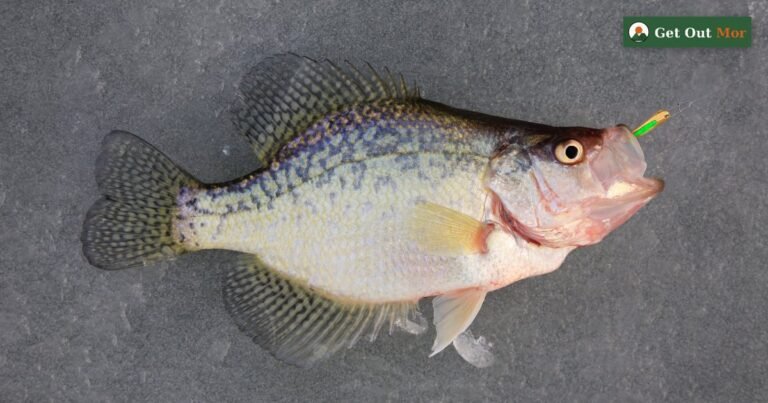
Channel cats (Ictalurus punctatus) are the most abundant catfish in the Sabine system. They’re found in every section — from the upper prairie reaches down to the lower bayou sloughs — and they’re the most forgiving species for newer anglers. Peak feeding activity hits at water temps of 70–80°F, which means late spring through early fall is your prime window.
Channels respond to scent more than sight. Chicken liver, punch bait, dip bait on a sponge hook, nightcrawlers, and cut shad all work. If you want to experiment, hot dogs soaked in garlic are surprisingly effective.
Flathead Catfish — The Ambush Hunter
Flatheads (Pylodictis olivaris) are the most demanding fish to target deliberately, and the most rewarding when you connect. These fish are ambush predators that hold on heavy wood cover — log jams, root wads, deep undercut banks. They’re the most nocturnal of the three species.
Here’s the rule with flatheads: live bait only. Dead bait and stink bait rarely produce on flatheads. You want live bluegill (check state regulations — Texas and Louisiana have specific rules on using bluegill as bait), live perch, live small catfish, or large live shiners. Fish tight to wood cover at night with a heavy sinker to keep the bait near bottom. The middle Sabine, with its dense timber and deep pools below Toledo Bend, is prime flathead territory. Fish exceeding 60 pounds have come out of this section.
Seasonal Breakdown: Best Times to Fish the Sabine for Catfish
Spring (March–May) — Pre-Spawn Frenzy
Spring is arguably the best time of year on the Sabine. As water temperatures climb from the mid-50s toward 70°F, all three species shake off their winter lethargy and begin feeding aggressively in preparation for spawning. Channel cats move into shallower water and gravel bars. Blue cats stack in current seams below structure. Flatheads start abandoning their deep winter holes and pushing toward woody cover in mid-depths.
April is the peak spring month — water is warm enough to trigger full activity but not so hot that fish have retreated to night-only patterns. All baits work. All three species are catchable around the clock.
Summer (June–August) — Night Shift
Summer is prime time for catfish in this part of the country, but the game shifts to darkness. Water temps hit 82–88°F by July and August, and daytime fishing slows considerably. After dark is a different story. Blue cats roam the main channel edges at night, flatheads come out from their wood cover to hunt, and channel cats pile up near shallower banks hitting stink bait and chicken liver.
Night fishing is not just more productive in summer — it’s more comfortable. Bring a headlamp, extra rod holders, and patience. Multiple rods on bottom rigs covering different depths is the standard approach. Live bait flathead fishing comes into its own on summer nights.
High-water flood events are common in August. Rising water pushes fish into flooded timber and backwater areas — which can actually fish well if the water isn’t too muddy. If you’re fishing off-color flood water, go heavy on the scent: punch bait, chicken liver, cut shad with the skin on to maximize scent dispersion.
Fall (September–November) — The Second Peak
Fall is the overlooked season on Southern rivers, and the Sabine rewards anglers who show up in October and November. Water temps drop back into the 65–75°F range, fish feed aggressively to build reserves ahead of winter, and blue cats in particular become much more catchable during daylight hours.
October and November often produce the biggest fish of the year. Cut shad on the main channel, fished on the bottom in 10–18 feet, is a proven fall approach for blue cats. Flatheads remain active into early November before water temps push them deep.
Winter (December–February) — Slow but Not Stopped
Below 55°F, all three species slow down — but they don’t stop eating. The key is location and presentation. Target the deepest channel holes you can find, 15–25 feet of water. Slow your presentation. Let the bait sit longer. Small bait portions can outperform large cuts when fish are sluggish.
Blue cats are your most realistic winter target — they’re the most cold-tolerant of the three species and remain somewhat active even at water temps in the mid-40s. Channel cats and flatheads are much harder to catch in winter. Cut shad on a tight bottom rig in deep holes is the winter playbook.
Sabine River Catfish: Month-by-Month Table
| Month | Avg Water Temp | Water Conditions | Most Active Species | Top Technique / Bait |
|---|---|---|---|---|
| January | 45–52°F | Low/stable, clear | Blue catfish | Slow bottom rig, cut shad in deep holes (15–25 ft) |
| February | 48–55°F | Warming slowly | Blue cats, some channels | Same as January; fish begin moving slightly shallower |
| March | 55–65°F | Rising, warming fast | All three, pre-spawn aggression | Cut shad, chicken liver on channel edges and gravel bars |
| April | 65–72°F | Excellent, stable | All three species active | All baits working; best all-around spring month |
| May | 70–78°F | Prime | Channel cats and blues peak | Night fishing paying off; stink bait, cut shad |
| June | 78–85°F | Hot, may rise with rain | Blues and flatheads at night | Night fishing essential; live bait flatheads, cut shad blues |
| July | 82–88°F | Peak heat | Blues and flatheads (night) | Night only for consistent action; live bait and cut shad |
| August | 82–88°F | Peak heat, flood risk | All species active at night | Adjust for high water; scent baits in off-color flood water |
| September | 75–82°F | Cooling begins | All three, fall feed starting | Daytime action returning; cut shad, stink bait |
| October | 65–75°F | Prime fall | Blue cats (all day), flatheads | Cut shad on main channel; live bait near wood for flatheads |
| November | 55–65°F | Cooling, stable | Blues and channels (early month) | Fish moving to deeper holes; cut shad, chicken liver |
| December | 48–55°F | Cold, stable | Blue catfish | Deep channel holes; slow presentation, cut shad |
Where to Launch: Sabine River Access Points
You don’t need a guide to access the Sabine, but you do need to know where to put in. Here are the main public access points.
Grand Bluff Boat Ramp (TPWD) — Texas side, reached by taking US-80 east approximately 19 miles, then left on FM 1794. Open 30 minutes before sunrise to 30 minutes after sunset. Good access to the middle/upper lower river.
Orange, Texas Boat Ramp — Four-lane launch, well-lit, approximately 1 mile south of Interstate 10. One of the best-equipped ramps on the lower Sabine. Easy truck-and-trailer access. Good for targeting the wide lower river channel.
Niblett’s Bluff Park — Louisiana side, west of Vinton in western Calcasieu Parish. Popular access point on the lower river with a solid reputation among local catfishermen.
Old Burnt Out Bridge Public Ramp — End of Old Highway 90 Road in the lower Sabine area. Less crowded than Orange but functional for smaller boats and kayaks.
Toledo Bend Reservoir — Numerous public ramps on both the Texas and Louisiana sides. The reservoir is a major catfish fishery in its own right. TPWD and the Toledo Bend Lake Association maintain updated ramp listings.
Sabine National Wildlife Refuge — Three recreation areas along Highway 27 (Northline, Hog Island Gully, West Cove) with on-site fishing facilities. Note that this is the lower/coastal section — expect brackish to saltwater influence depending on season and tides.
Regulations: Texas and Louisiana Rules You Need to Know
The Sabine forms the state line, which means fishing regulations can vary depending on which bank you’re casting from or which state’s waters you’re technically in. Don’t assume the rules are the same on both sides.
Texas (TPWD, effective September 1, 2025 – August 31, 2026)
General statewide rules:
– Channel and blue catfish: 25 fish daily bag limit (combined), no more than 10 may be 20 inches or longer
– Flathead catfish: 18-inch minimum length, 5 fish daily bag limit
Special rule — Toledo Bend Dam to I-10 Bridge:
This stretch of the Sabine has its own, more generous regulations:
– Blue and channel catfish (combined): No minimum length, 50 fish daily bag/possession limit, no more than 5 may be 30 inches or longer
– Flathead catfish: 18-inch minimum, 10 fish daily bag limit
Texas fishing license required for all fishing in Texas waters.
Louisiana
Louisiana fishing license required for Louisiana waters. Louisiana generally runs generous catfish limits with no minimum length on channel and blue cats statewide, but specific Sabine River section rules may apply. Always verify current rules at wlf.louisiana.gov before fishing the Louisiana side.
Bottom line: If you’re fishing from a boat on the state-line water, you’re technically subject to both states’ rules. Carry licenses for both Texas and Louisiana, or fish clearly from one bank.
Gear We Recommend
Here is the gear that makes this easier, ready to shop. As an Amazon Associate, we earn from qualifying purchases.
- Fishing rod & reel — See combos
- Tackle — Shop tackle
- Braided line — Compare braid
- Pliers — See pliers
- Tackle box — Browse tackle boxes
Frequently Asked Questions
What is the best bait for Sabine River catfish?
It depends on the species. For blue catfish, fresh cut shad is the top producer — fresh is the key word, not frozen. For channel catfish, chicken liver, punch bait, and dip bait on sponge hooks all work well. Nightcrawlers and cut shad are solid backups. For flathead catfish, stop reading the bait label and go get live bait — live bluegill (where legal), live perch, or large live shiners. Flatheads will ignore dead bait most of the time. Using the right bait for the right species makes a bigger difference on the Sabine than almost any other variable.
Do I need two fishing licenses if I’m fishing the Texas-Louisiana border on the Sabine?
Technically, yes — if you’re fishing from a boat positioned on the river that forms the state line, you’re subject to the regulations of both states. The safest approach is to carry both a Texas fishing license and a Louisiana fishing license. If you’re fishing from a bank clearly within one state, that state’s license covers you. Texas licenses are available through TPWD (tpwd.texas.gov) and Louisiana licenses through the Louisiana Department of Wildlife and Fisheries (wlf.louisiana.gov).
What is the biggest catfish ever caught on the Sabine River?
No official all-tackle record is maintained specifically for the Sabine River as a distinct waterway, but trophy blue catfish exceeding 50 pounds have been documented from the lower Sabine. Flathead catfish from the middle section — particularly the Toledo Bend area — have reportedly exceeded 60 pounds. The Sabine’s combination of heavy timber, consistent current, and abundant shad forage makes it legitimate trophy water. If you’re specifically hunting a state record, note that Texas and Louisiana both maintain their own record databases, and the Sabine has produced fish in contention in both states.
Is night fishing legal on the Sabine River?
Yes. Night fishing is legal on the Sabine River in both Texas and Louisiana with a valid fishing license. There are no statewide nighttime fishing restrictions on catfish in either state. Some specific access points and boat ramps have posted hours (Grand Bluff Boat Ramp, for example, is open 30 minutes before sunrise to 30 minutes after sunset), so be aware of ramp-specific rules when planning where to launch. Night fishing from a bank with a flashlight or lantern has no additional restrictions. For summer catfishing in particular, fishing after dark isn’t just legal — it’s the most productive approach on the Sabine.
What time of year are the biggest blue catfish caught on the Sabine River?
Fall — specifically October and November — tends to produce the biggest blue catfish on the Sabine. Fish are feeding aggressively to build winter reserves, water temperatures have dropped into the prime activity range (65–75°F), and blue cats are active throughout the day rather than concentrating their feeding at night. Spring (April–May) is a close second, when pre-spawn feeding pushes large fish onto current seams and channel edges. Winter can also surprise — big blue cats remain active in deep channel holes when smaller fish have gone nearly dormant. The main channel below Toledo Bend Dam and the lower river near Orange have the best track records for trophy-class blues.
Is a kayak good for fishing the Sabine River?
A kayak is an excellent choice for the Sabine, and in some situations it outperforms a jon boat. The biggest advantage is access — a kayak lets you slide into backwater sloughs, flooded timber edges, and shallow oxbow areas that a powered boat can’t reach. These backwater areas are exactly where flatheads and channel cats concentrate after high water, and where a kayak angler can work live bait around wood structure with precision. The lower Sabine’s wider main channel handles a kayak fine in calm conditions, though be aware of boat traffic and wind — the lower river can chop up quickly. For the middle section near Toledo Bend and the wooded upper tributaries, a fishing kayak with a rod holder setup and a good anchor system is hard to beat for catfishing versatility. If you’re looking for a kayak suited for river fishing, check out our guide to the best fishing kayaks under $1,000 — there are solid options that handle the Sabine’s current and timber conditions well.
Read Next
- Best Fishing Kayaks Under $1,000 in 2026 — find the right kayak for river catfishing
- Saltwater Fishing Rigs — rig setups that cross over to big river catfish situations
- Best Fish Finders 2026 — locate deep channel holes and bait schools on the Sabine