Florida Gator Season: Dates, Permits, Tags, and FWC Application Guide
Every spring, thousands of Florida residents sit down at their computers and navigate the FWC’s online system to apply for one of the most coveted hunting permits in the state — a public alligator harvest permit. If you’ve never been through the process, it can feel confusing. This guide breaks down exactly how the season works, what the application process looks like, and what to expect after you draw a tag.
⚠️ General information, not legal advice. Hunting and fishing regulations change every year and can change mid-season. Seasons, zones, weapon rules, bag limits and permit requirements are set by each state’s wildlife agency — you are responsible for confirming the current rules with that agency before you hunt or fish. Where a rule below is not linked to an official source, treat it as a starting point and verify it directly.
Confirm all dates, phases and permit requirements against the FWC statewide alligator harvest program pages before applying or hunting.
Last verified against state agency sources on August 25, 2026. This is general information, not legal advice — rules change annually; confirm with your state wildlife agency before you hunt.
Florida Alligator Season Overview
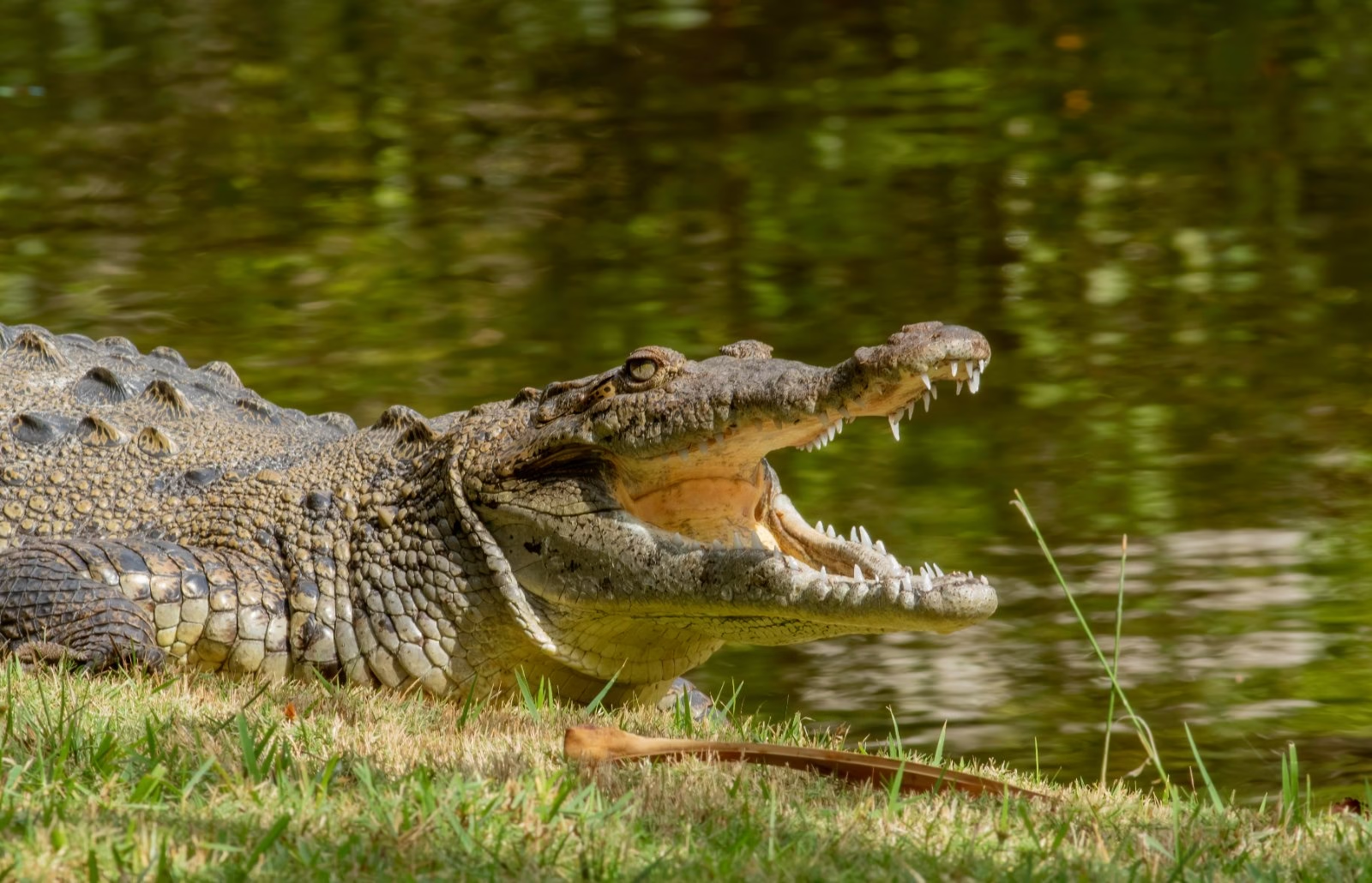
Florida’s public alligator harvest season runs from August 15 through November 1 each year. The FWC divides the season into two phases, each lasting 12 weeks, with hunters assigned to specific management units and specific nighttime hunting windows (typically sunset to sunrise).
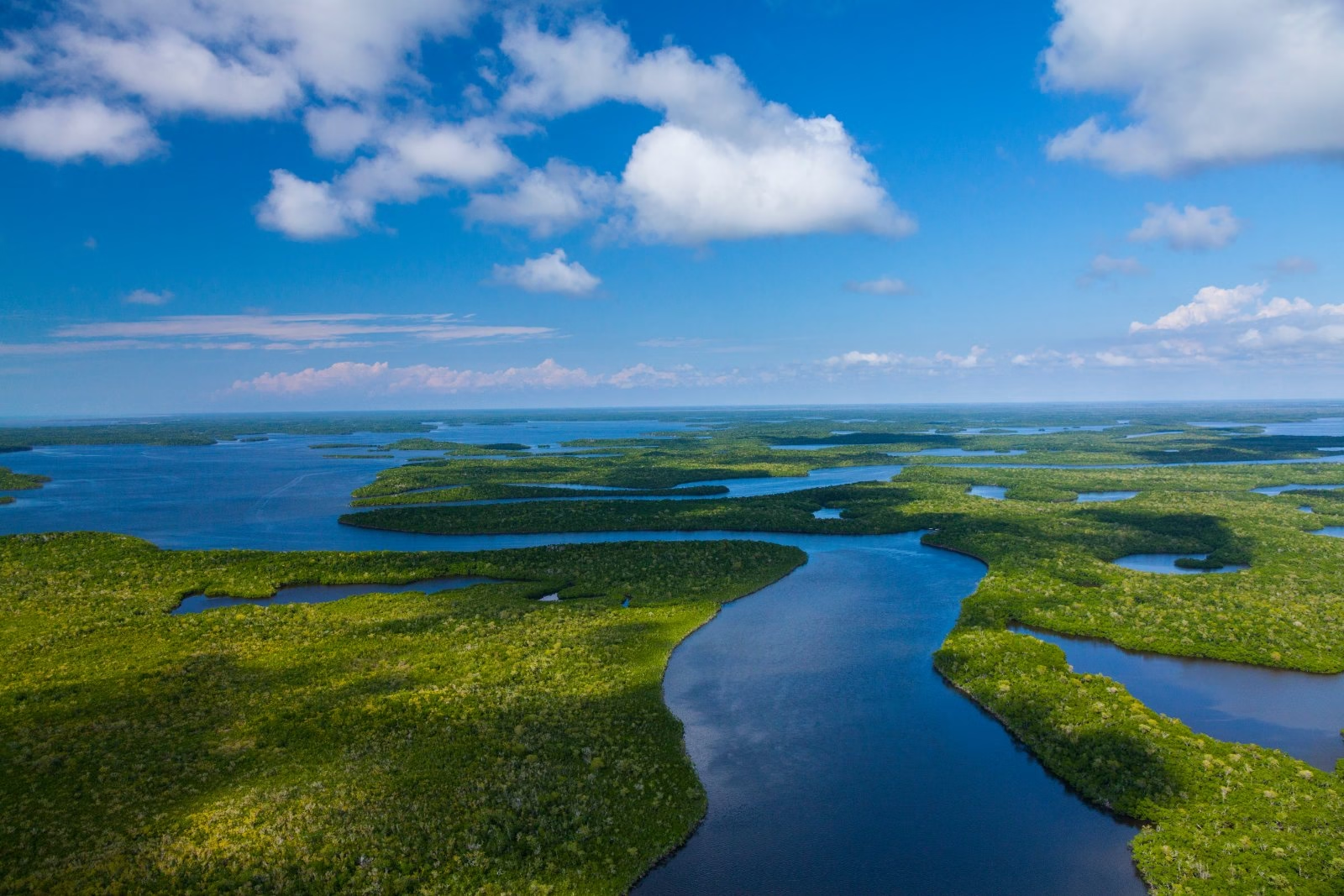
The season is structured around maintaining Florida’s alligator population at a sustainable level. FWC biologists conduct annual population surveys, and harvest quotas for each management unit are adjusted based on those surveys. This is a science-driven program — permit numbers vary by unit based on local population density.
Season Dates: August 15 – November 1
Hours: Sunset to sunrise (nighttime only in most units)
Tags per Permit: 2 CITES tags
Application Window: Typically April through June
Results Announced: Late June / early July
Application Fee: $0 (free to apply; permit costs apply if selected)
Management Units: Where You Can Hunt
Your permit is tied to a specific FWC management unit. Florida has over 30 public alligator harvest units, ranging from major lakes like Okeechobee and Kissimmee to regional water management district areas and WMAs. You can select up to three unit preferences when applying, and FWC conducts the lottery separately for each unit.
| Unit Type | Examples | Typical Quota | Difficulty to Draw |
|---|---|---|---|
| Major Lakes | Lake Okeechobee, Lake Kissimmee | 200–400+ permits | Moderate (higher quota) |
| Regional WMD Units | St. Johns River, Kissimmee Chain | 50–200 permits | Moderate to high |
| WMA-Specific Units | Myakka, Everglades WMAs | 10–50 permits | High to very high |
| Statewide Open Units | Designated open water areas | Varies widely | Variable |
Choosing your unit strategically matters. First-time applicants often make the mistake of applying only for the most famous (and most over-subscribed) units. Research harvest success rates and applicant-to-permit ratios — FWC publishes this data. Units with lower quotas often have higher-quality hunting due to less pressure.
The Application Process: Step by Step
Step 1: Get Your Florida Hunting License
You must hold a valid Florida hunting license to apply. Purchase one at myfwc.com or at any license agent. Florida residents 65 and older are eligible for a free sportsman’s license. You’ll need your license number during the application process.
Step 2: Create or Log Into Your FWC Account
Go to myfwc.com and navigate to the Hunting section, then to “Alligator Hunting.” You’ll need a GOFISH account (FWC’s licensing and permit system). If you’ve purchased a license online before, you already have one.
Step 3: Submit Your Application
Applications are typically accepted from April through mid-June. You’ll select up to three unit preferences in ranked order. There is no application fee — you only pay if selected. The system will tell you your application confirmation number; save this.
Step 4: Check Results
FWC announces lottery results in late June or early July. You’ll receive an email if selected, and results are also viewable in your GOFISH account. If selected, you’ll have a window to accept and pay for your permit — missing this window forfeits your tag.
Step 5: Purchase Your Permit and Tags
Once selected, you pay for the statewide alligator hunting permit (fee varies; resident fee is typically under $50). Your two CITES tags are issued with the permit. These tags must be physically attached to any harvested alligator before it leaves the water — this is a legal requirement, not a suggestion.
| Fee Type | Resident | Non-Resident* |
|---|---|---|
| Application Fee | Free | N/A |
| Statewide Alligator Permit | ~$40–$50 | N/A |
| Hunting License (Annual) | ~$17 | ~$47 |
| CITES Tags (2 included) | Included with permit | N/A |
*Non-residents are not eligible for the public lottery program but can hunt through licensed trapping agents on private lands.
What Happens If You Don’t Draw
The alligator lottery is genuinely competitive — some units receive several hundred applications per available permit. Don’t be discouraged. A few options:
- Apply again next year. The lottery is random; there’s no preference point system like western big game.
- Hunt on private land. Landowners with alligators can obtain permits directly from FWC without entering the lottery. If you know landowners with ponds or lakes, this is worth exploring.
- Book a guided hunt. Licensed alligator trappers can take clients through the private lands program. This is a legitimate and legal way to hunt without drawing a public tag. It also makes an excellent first hunt — see our beginner’s guide to Florida alligator hunting for guide recommendations.
- Hunt other states. Georgia, Louisiana, South Carolina, and Texas all have public alligator hunting programs with varying application processes.
Season Calendar: Monthly Hunting Conditions
| Month | Conditions | Gator Activity | Best Strategy |
|---|---|---|---|
| August 15–31 | Hot, humid, afternoon thunderstorms common | Very high; post-nesting, aggressive feeding | Hunt after 10 PM to avoid storm windows; gators very active |
| September | Still hot, humidity decreasing late month | High; juveniles dispersing, bulls feeding heavily | Prime month; water levels often ideal |
| October | Cooling temps, less humidity, clear nights | Moderate-high; gators bulking up before dormancy | Excellent conditions; cooler nights mean more comfortable hunting |
| November 1 | Season closes | Declining as temps drop | Final days of legal season |
Reporting Your Harvest
After harvesting an alligator, you are required to report the harvest to FWC within 24 hours. This is done online through the FWC reporting system. You’ll report the date, unit, size of the gator, and method used. Failure to report is a violation and can result in permit suspension in future years.
Other Important Regulations
- Hunting is allowed from sunset to sunrise only in most units (check your specific unit for any daylight provisions)
- Only the permitted holder can use the tags; you cannot transfer tags to another hunter
- Legal take methods include: snatch hooks, harpoons, gigs, snares, baited hooks, manually operated jaws-type traps, bangsticks, and crossbows
- Firearms (other than bangsticks) are generally not permitted in the public program
- You must carry your permit and CITES tags while hunting
More Alligator Hunting Resources
- Florida Alligator Hunting: The Complete Beginner’s Guide
- Alligator Hunting Gear List: Equipment, Bang Sticks, and Lights
- Night Hunting for Alligators: Spotlighting Techniques
Gear We Recommend
Here is the gear that makes this easier, ready to shop. As an Amazon Associate, we earn from qualifying purchases.
- Bang stick — See bang sticks
- Harpoon & darts — Shop harpoons
- Snare pole — See snare poles
- Heavy rod & reel — Shop combos
- Spotlight — See spotlights
Related Reading
- Florida Alligator Hunting: The Complete Beginner’s Guide
- Alligator Hunting Gear List: Bang Sticks, Harpoons, Snares & Lights
- Night Hunting for Alligators: Spotlighting Techniques & Safety
- How to Process and Cook Alligator Meat: Field to Table
- Florida Alligator Hunting Rules & Regulations
- 2026 Alligator Season Dates by State
- All Alligator Hunting Guides & Gear →