Getting Started With Turkey Calls: A Beginner’s Guide to Every Call Type
Box, pot, slate, diaphragm — turkey calls can be confusing. Here’s what each type actually is, what it’s best for, and which one a beginner should buy first.
Get Out Mor is reader-supported. When you buy through links on this page we may earn a small commission at no extra cost to you. As an Amazon Associate I earn from qualifying purchases. See our full disclosure.
Walk into a turkey aisle and you’ll face a wall of calls: boxes, pots, strikers, little latex reeds in clamshells. They all imitate a hen turkey, but each works differently and shines in different situations. This guide explains what each call type is, what it does well, and how to start — then points you to our in-depth guide for each one when you’re ready to buy.
The biggest beginner mistake is buying every call at once. Pick one easy, forgiving call (a box or a pot call), learn the basic yelp and cluck cold, and add others later. A turkey would rather hear one realistic hen than five clumsy ones.
The four turkey sounds you actually need
Before the calls, learn the sounds. Master these four and you can hunt: the yelp (the basic locating and assembly call — a rhythmic series of notes), the cluck (a short, content “here I am” note), the cutt (loud, excited, irregular clucks to fire up a gobbler), and the purr (a soft, rolling contentment sound for close birds). Every call below makes these sounds; the difference is how you produce them and how loud and realistic they are.
The main types of turkey calls
Box call — easiest to run, loud, and realistic
A box call is a hollow wooden box with a hinged paddle lid you scrape across the rails. A few strokes make realistic yelps and cutts loud enough to reach a gobbler across a field, and it’s the easiest call to run well — which is why most hunters start here. The trade-off: it takes two hands and a little movement, so it’s best before a bird is in close. Keep the rails chalked and dry.
Best for: beginners, locating birds, loud calling on windy days.
See the best turkey box calls →
Pot call (slate & glass) — soft, realistic close-range talk
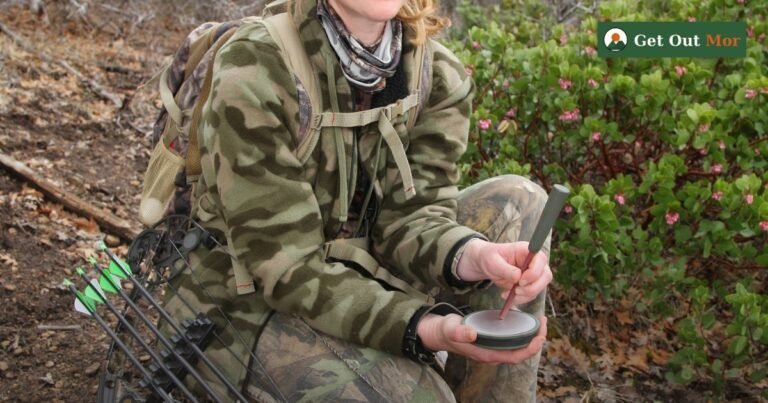
A pot call (often called a slate call) is a round “pot” with a slate, glass, or crystal surface you stroke with a peg called a striker. Slate makes the softest, most realistic purrs and clucks for finishing a close gobbler; glass and crystal are louder and carry better in wind. It’s nearly as easy as a box call and gives you a wider range of realistic soft talk. The surface must be conditioned (scuffed) and kept dry.
Best for: realistic close-range purrs and clucks; a perfect second call alongside a box.
See the best pot & slate calls →
Mouth (diaphragm) call — hands-free, most versatile, hardest to learn
A mouth call (or diaphragm) is a small horseshoe of latex reeds you hold against the roof of your mouth and blow across. It makes every turkey sound completely hands-free — a huge advantage when a gobbler is in close and you can’t move to work a box or pot. The catch: it has a real learning curve and takes weeks of practice. Most hunters add one once they’ve mastered a friction call.
Best for: hands-free calling when a bird is in range; experienced callers who’ve practiced.
See the best mouth (diaphragm) calls →
Locator calls — to make a gobbler shock-gobble, not to call him in
A locator call (crow, owl hooter, coyote howler) isn’t a turkey sound at all. It startles a tom into a reflex “shock gobble” that gives away his location without making him think a hen is already there. Use one at dawn and midday to find birds, then switch to your hen calls to work them. A simple crow call is a cheap, high-value add to any vest.
Which call should a beginner buy first?
Buy a box call first — it’s the fastest path to realistic yelps and cutts with almost no skill. Add a pot/slate call next for soft, close-range purrs and clucks. Once you’re comfortable and want hands-free calling for the moment of truth, graduate to a mouth call and practice it for a few weeks before the season. That three-call progression covers nearly every situation in the turkey woods.
Rounding out your turkey setup
Calls bring a gobbler in; the rest of your kit closes the deal. A realistic decoy spread gives him something to commit to, a dedicated turkey choke tightens your pattern for clean kills at distance, and a good vest keeps every call organized and silent with a seat anywhere you set up.
How to practice before opening day
Practice in the truck
You don’t need turkeys to practice — run your calls on your commute for a few weeks. Box and pot calls come fast; mouth calls take the longest, so start early.
Learn the yelp first
The yelp is the foundation. Get a clean, rhythmic yelp on one call before you worry about cutting, purring, or owning five calls.
Record yourself
Phones are brutal honest critics. Record your yelps and compare them to real hen audio (the NWTF and call makers post examples) to fix rhythm and rasp.
Call less than you think
Pressured gobblers hang up on hunters who call too much. Once a tom is answering and coming, go quiet and let him search for the hen.
Gear We Recommend
Here is the gear that makes this easier, ready to shop. As an Amazon Associate, we earn from qualifying purchases.
- Mouth/diaphragm calls — See calls
- Box call — Shop box calls
- Turkey vest — See vests
- Choke tube — Browse chokes
- Decoy — See decoys
Frequently asked questions
A box call — a few practice strokes produce realistic yelps and cutts, and a magnetic-lid model is nearly foolproof. A pot/slate call is a close second and adds soft close-range sounds.
Not to start. Mouth calls are the most versatile and hands-free, but they’re the hardest to learn. Begin with a box or pot call and add a diaphragm once you’ve practiced.
Most hunters carry a box or pot call for the bulk of their calling, a mouth call for hands-free close work, and a simple locator (crow) call to find birds — three calls cover almost everything.
Yelp, cluck, cutt, and purr. The yelp locates and assembles, the cluck reassures, the cutt excites, and the purr finishes a close bird. Master those four and you’re ready to hunt.
The bottom line
Turkey calls aren’t complicated once you know the map: a box call for easy, loud, realistic calling; a pot/slate call for soft close-range talk; a mouth call for hands-free work once you’ve practiced; and a locator to find birds. Start with one, learn the yelp cold, and build from there.
The best of each call type — and the rest of your turkey kit: best box calls, best pot & slate calls, best mouth (diaphragm) calls, best choke tubes, best decoys, and best turkey vests.