Best Turkey Decoys for 2026
The right decoy spread can drag a hung-up gobbler the last 40 yards. Here are the best turkey decoys for 2026, from ultra-realistic to budget.
Get Out Mor is reader-supported. When you buy through links on this page we may earn a small commission at no extra cost to you. As an Amazon Associate I earn from qualifying purchases. See our full disclosure.
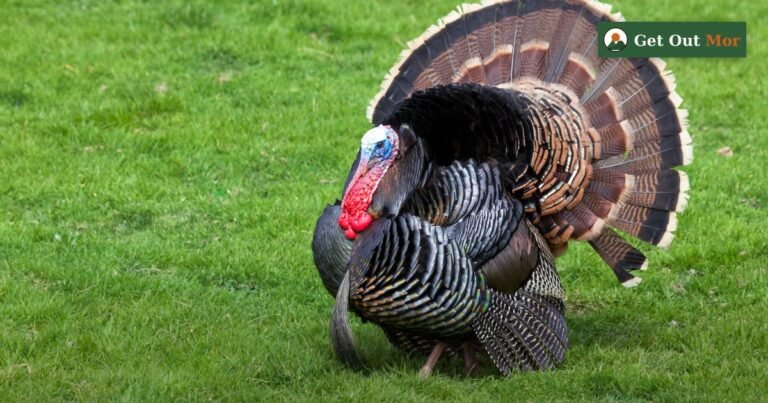
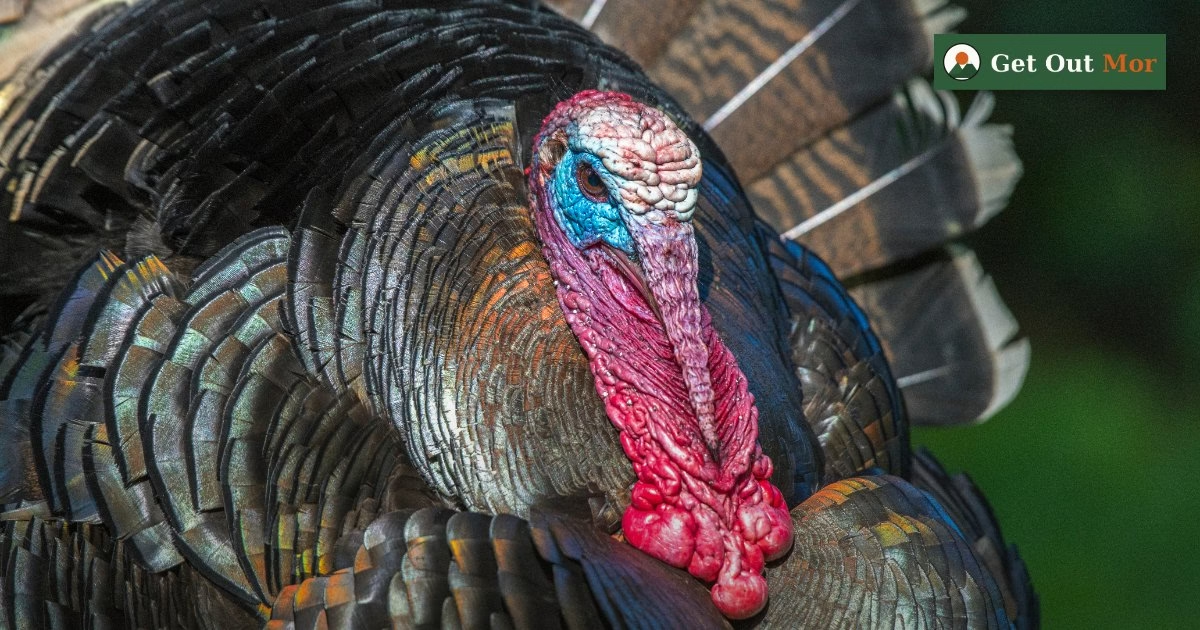
A good turkey decoy gives a gobbler something to commit to — and the right hen-and-jake setup can trigger a jealous tom to close the distance. We picked decoys across the realism and price spectrum, plus a motion option.
A jake or strutter decoy fires up dominant toms but can spook a pressured or subordinate bird. Early season and on dominant gobblers a jake works; on pressured public-land birds, a lone hen is often safer.
- Best overallAvian-X LCD Hen & Jake
- Most realisticDave Smith Decoys (DSD)
- Best motionMOJO Tail Chaser / Pull-String Decoy
- Best valueHunters Specialties (HS Strut) Hen Decoy
- Best strutterAvian-X Quarter Strut Jake
The best turkey decoys
Avian-X LCD Hen & Jake
Realistic, collapsible decoys that finish gobblers without breaking the bank — the hunter favorite.
Pros
- Excellent realism & paint
- Collapsible & packable
- Hen + jake combo finishes toms
Cons
- Pricier than foam decoys
- Stakes can lean in wind
Key features
- Type: hen + jake combo
- Material: collapsible flexible foam
- Best for: all-around hunting
- Tier: Mid/premium
Avian-X LCD decoys hit the sweet spot of realism, portability, and price. The hen-and-jake combo is the setup most turkey hunters run, for good reason.
Dave Smith Decoys (DSD)
The most lifelike turkey decoys made — if realism is everything, these are it.
Pros
- Unmatched realism
- Durable, no-shine finish
- Confidence on pressured birds
Cons
- Expensive
- Bulkier to carry
Key features
- Type: ultra-realistic decoy
- Material: hard-body, hand-painted
- Best for: pressured/educated toms
- Tier: Premium
DSD decoys are the gold standard for realism. They cost more and pack bigger, but on pressured birds that have seen every cheap decoy, they can be the difference.
MOJO Tail Chaser / Pull-String Decoy
Adds lifelike movement that catches a gobbler’s eye and seals the deal.
Pros
- Realistic motion draws attention
- Triggers commitment
- Combos with static decoys
Cons
- Batteries / setup
- Can be too much on wary birds
Key features
- Type: motion decoy
- Action: spinning/tail or pull-string
- Best for: open ground, hung-up toms
- Tier: Mid-range
Motion is what a real flock has and most spreads lack. A MOJO or pull-string decoy adds the movement that finishes a gobbler hanging up just out of range.
Hunters Specialties (HS Strut) Hen Decoy
A realistic-enough hen at a budget price — a great first decoy.
Pros
- Affordable
- Lightweight & packable
- Realistic enough for most birds
Cons
- Less detailed paint
- Lighter, blows in wind
Key features
- Type: hen decoy
- Material: collapsible foam
- Best for: budget & new hunters
- Tier: Budget
You don’t need a $150 decoy to kill turkeys. A simple, realistic hen finishes plenty of gobblers and is the easy budget starting point.
Avian-X Quarter Strut Jake
A half-strut jake posture that challenges dominant toms into range.
Pros
- Aggressive posture provokes toms
- Great realism
- Pairs with a hen
Cons
- Can spook subordinate birds
- Pricey
Key features
- Type: quarter-strut jake
- Best for: dominant toms, early season
- Pair with: a feeding/standing hen
- Tier: Mid/premium
A half-strut jake is a direct challenge a dominant tom often can’t ignore. Run it with a hen early season; ease off on heavily pressured or subordinate birds.
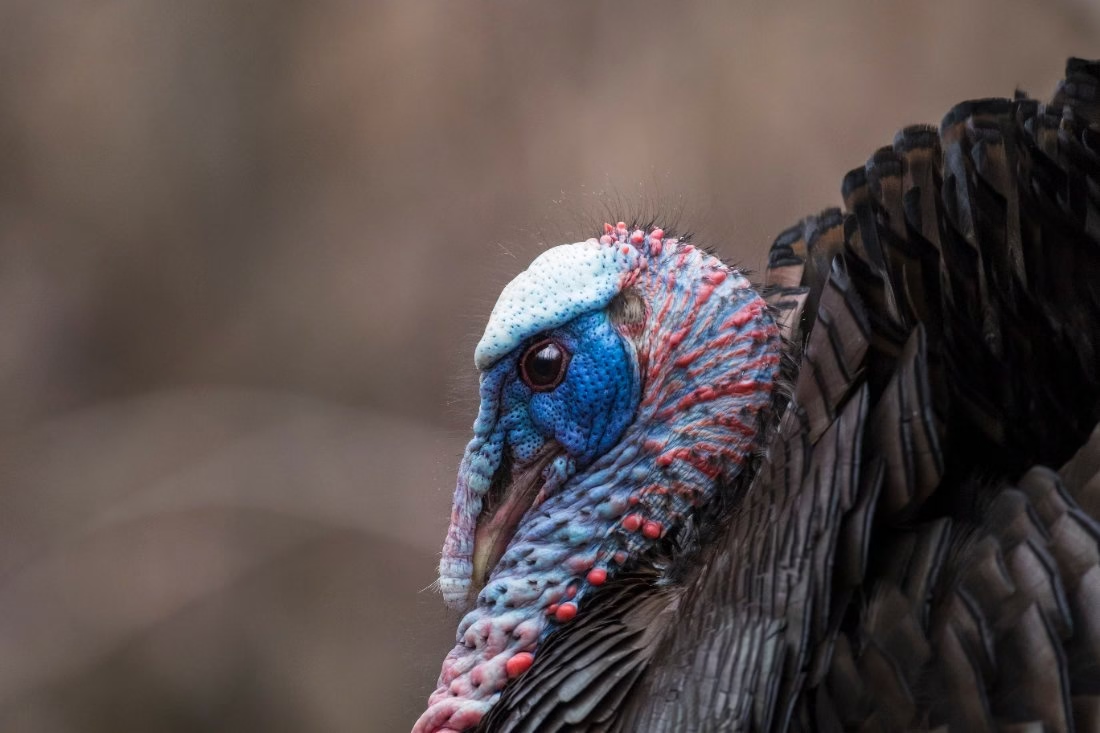
Set a jake (or half-strut) over a hen about 20 yards out, facing your blind. A dominant tom circles to confront the jake head-on — bringing him into range, looking the other way.
How to choose & set turkey decoys
Hen, jake, or strutter
A lone hen is the safe, all-situation choice. Add a jake or quarter-strut to challenge dominant toms early season; drop the male decoy for pressured or subordinate birds that spook from confrontation.
Realism vs. budget
Ultra-realistic decoys (DSD) shine on educated, pressured birds; mid-priced collapsible decoys (Avian-X) finish most gobblers and pack easier. Match the decoy to the pressure.
Add motion
Real flocks move. A light breeze, a stake that lets the decoy turn, or a motion/pull-string decoy adds the lifelike movement that closes hung-up toms.
Placement
Set decoys 15–25 yards out in view of where you expect a gobbler to approach, and where you have a clear shooting lane. Face a jake toward your position so a tom circles into range.
Frequently asked questions
Yes — a realistic hen (often with a jake) gives a gobbler something to commit to and can pull a hung-up tom into range. On pressured birds, keep it simple with a lone hen.
A jake or quarter-strut decoy challenges dominant toms and works great early season. On pressured public-land or subordinate birds it can spook them — a lone hen is safer.
About 15–25 yards from your setup, in clear view and within an open shooting lane, positioned so an approaching gobbler circles into range.
The bottom line
For most hunters, an Avian-X LCD hen-and-jake is the best all-around setup, DSD is the realism upgrade for pressured birds, and a motion decoy seals hung-up toms. Read the gobbler, keep it simple on pressured birds, and place for a clean shot.