Alligator Hunting in Louisiana: Rules, Season & Methods (2026)
Louisiana is the gator capital — a long, tag-based season where firearms are legal (but never shotguns) and the classic method is a baited hook-and-line.
Get Out Mor is reader-supported. When you buy through links on this page we may earn a small commission at no extra cost to you. As an Amazon Associate I earn from qualifying purchases. See our full disclosure.
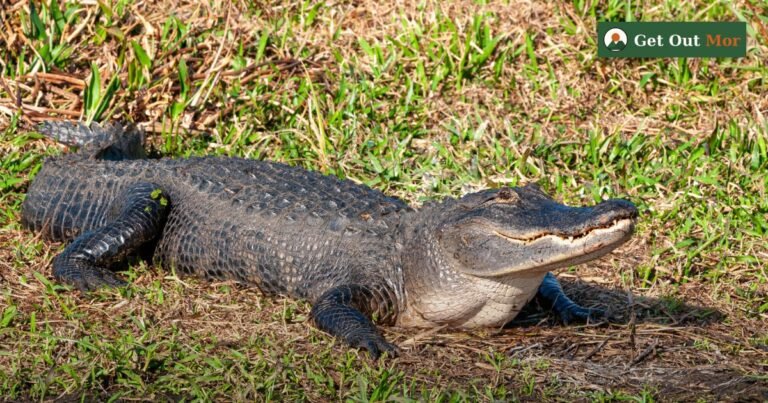
Louisiana harvests more wild alligators than any other state, with a long, tag-driven season rooted in its commercial trapping heritage. It’s very different from the restrain-first states: firearms are legal (except shotguns), and the traditional method is a baited hook suspended over the water. This guide covers the 2026 zones, dates, and methods; confirm current rules with LDWF before you hunt.
Unlike the restrain-first states, Louisiana lets you take a free-swimming gator with a rifle or handgun (shotguns are prohibited even to possess while hunting). On public areas, the only legal method is a baited hook-and-line suspended above the water.
2026 season & zones
| East Zone | West Zone | |
|---|---|---|
| 2026 season | Opens Aug 26 | Opens Sept 2 |
| Season ends | Dec 31 | Dec 31 |
| Tag system | Landowner-allocated via LDWF nest-density aerial survey — not a public lottery | |
| Legal methods | Hook-and-line (only method on public water), bow and arrow, firearms except shotguns | |
Louisiana splits the state into two zones. For 2026 the East Zone opens August 26 (the last Wednesday of August) and the West Zone opens September 2 (the first Wednesday of September); both run through December 31. The Wildlife and Fisheries Commission also approved a notice of intent for a separate recreational sport season October 1–31, 2026 — confirm its status with LDWF.
Legal methods & weapons
Hunters may use hook-and-line, bow and arrow (barbed, with 300-lb restraining line), and firearms — except shotguns. The hook-and-line method is the most common and is the only method allowed on public areas: a baited hook (chicken quarters, beef melt) is suspended 1–2 inches above the water from a pole or branch, with about 30 feet of line tied to the structure. Firearms (no shotguns) may take free-swimming gators or dispatch one on a line. Possessing a shotgun while hunting alligators is prohibited.
Tags, size & licenses
Louisiana has no size restriction on wild alligators during the open season. Harvest is controlled by tags: your daily and season quota equals the number of alligator harvest tags you hold, which are tied to land and habitat. You’ll need an alligator hunter license plus your tags; public-lake hunts are allocated by lottery.
What makes Louisiana’s hunt unique
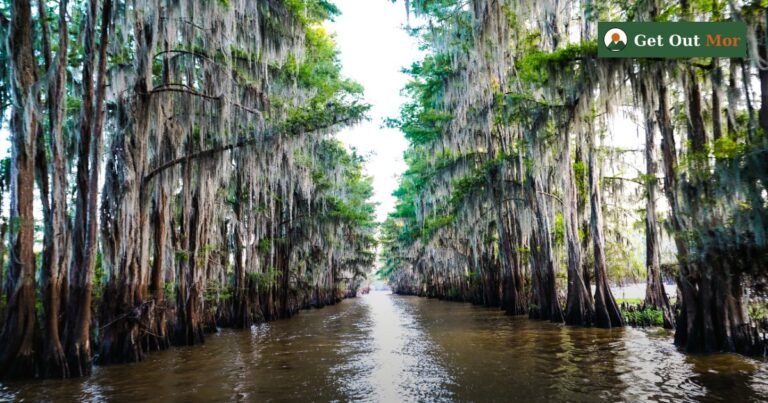
Scale and tradition. Louisiana’s marshes produce the nation’s largest harvest, the season stretches across four-plus months, and the baited-line method is a living piece of Cajun heritage. Firearms being legal (minus shotguns) also makes it more accessible to hunters who don’t want a hand-to-hand restrain hunt.
Gear for the hunt
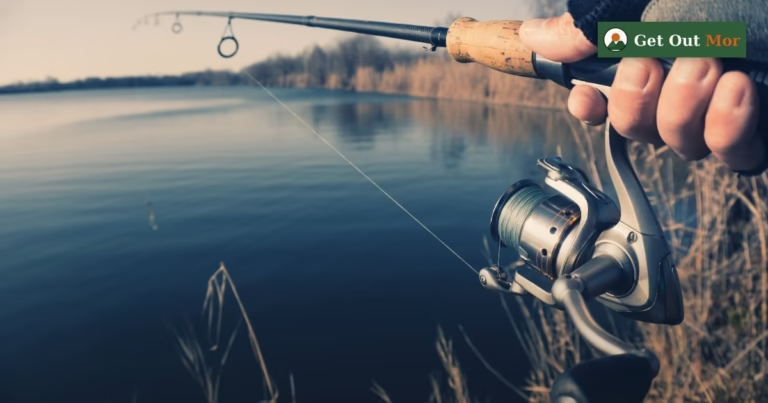
Even where firearms are legal, the line is your lifeline: run heavy braided line (braid resists a gator’s scutes far better than mono) on a stout setup, and read our full guide to alligator hunting across the South for tackle and tactics. For hand-capture states, see our picks for budget heavy spinning combos and treble snag hooks.
Frequently asked questions
The East Zone opens August 26 and the West Zone opens September 2, 2026, with both running through December 31. A separate recreational sport season was proposed for October 1–31, 2026 — confirm with LDWF.
Last verified against state agency sources on August 16, 2026. Rules change annually — confirm with the agency before you hunt.
Yes — rifles and handguns are legal to take free-swimming gators or dispatch one on a line. Shotguns are prohibited, and you may not even possess a shotgun while hunting alligators.
A baited hook-and-line suspended about 1–2 inches above the water from a pole or branch, with roughly 30 feet of line tied off to the structure. It’s the only legal method on public areas.
The bottom line
Louisiana is the nation’s biggest gator hunt: a long, tag-based, two-zone season (East opens Aug 26, West Sep 2, 2026) where firearms are legal except shotguns and the classic method is a baited hook-and-line. Verify your zone and tags with LDWF.