Alligator Hunting in Texas: Rules, Core Counties & Methods (2026)
Texas runs two different gator hunts: a hook-first season in the 22 coastal core counties and a firearm-legal season everywhere else. Here’s the 2026 breakdown.
Get Out Mor is reader-supported. When you buy through links on this page we may earn a small commission at no extra cost to you. As an Amazon Associate I earn from qualifying purchases. See our full disclosure.
Texas splits alligator hunting into two systems. In the 22 coastal core counties, it’s a tag-driven, hook-first hunt; in the non-core counties (the rest of the state), firearms are legal and the season runs in spring. This guide explains both for 2026, plus the CITES-tag rule that trips up newcomers — verify current details with TPWD before you hunt.
In non-core counties you can hunt gators with most legal firearms. In the core coastal counties you take them by hook-and-line, gig, snare, or archery, and may only use a firearm to dispatch a gator already caught on a device.
2026 seasons: core vs non-core
| Core Counties | Non-Core Counties | |
|---|---|---|
| 2026 season | Sept 10–30 | Apr 1–Jun 30 |
| Tag system | Landowner-issued CITES tag (property-specific, non-transferable) | Self-reported harvest ($21 fee within 72 hrs), CITES tag mailed back |
| Legal methods | Hook-and-line, gig, barbed-arrow archery, locking hand snare — no firearms to take | Firearms (no rimfire) allowed on private land, plus core-legal methods |
Verified against tpwd.texas.gov — Alligator 2026-2027 Seasons & Regulations on September 26, 2026 (core counties Sept 10–30, 2026; non-core Apr 1–Jun 30, 2027). General information, not legal advice — rules change annually; confirm with TPWD before you hunt.
The core-county season runs through Sept 30, 2026. Rig up before your next line set.
My gator rig picks: heavy rods & reels for gator snagging · treble snag hooks · boat accessories for gator hunts · baits, rigs & line-set setup
The 22 core counties (Gulf Coast: Jefferson, Galveston, Chambers, Orange, and others) run September 10–30, 2026. The non-core counties — the rest of Texas — have a much longer April 1 to June 30 season. In core counties and on special properties, you must have a valid CITES tag in hand before you start hunting, not after the harvest.
Legal methods & weapons
Lawful means include hook-and-line (line set), alligator gig, lawful archery with a barbed arrow, and a hand-held snare with an integral locking mechanism. Hook-and-line sets need at least 300-lb test line secured on private property with part of the line above water, and gigs, snares and archery gear must have a float attached to the line. Firearms (no rimfire), air guns and arrow guns may be used to take gators only on private land in non-core counties, and it is unlawful to take an alligator with a firearm from, on, across or over public water. In core counties you cannot take a gator with a firearm — but you may use a firearm to dispatch a gator already caught on a device, in any county.
Tags & licenses
Most Texas alligator hunting is landowner- and tag-driven: CITES hide tags are issued to qualifying landowners in core counties, so access often means hunting private land or with an outfitter. You’ll need a Texas hunting license and the appropriate alligator tags. Alligators may only be taken on private property — you can take one from adjacent public water only if you and your taking device are on private property. Hook-bearing lines may not be set before the season opens and must be removed by sunset on the last day. Legal hunting hours are one-half hour before sunrise to sunset, and no baited line may be set or checked at night. In non-core counties the limit is one alligator per person per license year, and none may be taken on a property where gators were taken in the September season. Any resident hunting license or nonresident general hunting license works.
What makes Texas’s hunt unique
The two-system structure. A spring firearm season across most of the state and a fall hook-first season on the coast give Texas more variety than any other state — but the CITES-tag-before-hunting rule and the landowner tag system make planning essential. Know which county you’re in and which rules apply.
Gear for the hunt
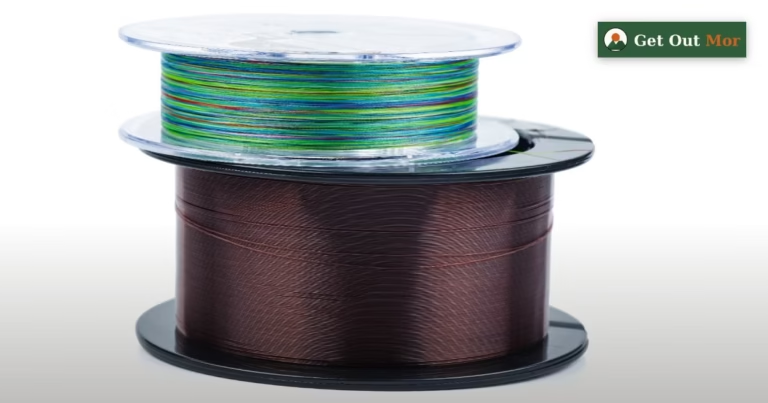
Even where firearms are legal, the line is your lifeline: run heavy braided line (braid resists a gator’s scutes far better than mono) on a stout setup, and read our full guide to alligator hunting across the South for tackle and tactics. For hand-capture states, see our picks for budget heavy spinning combos and treble snag hooks.
Frequently asked questions
The 22 coastal core counties run September 10–30, 2026. Non-core counties (the rest of the state) have an April 1 to June 30 season. Core-county hunters need a CITES tag in hand before hunting.
Last verified against state agency sources on September 26, 2026. Rules change annually — confirm with the agency before you hunt.
Only in non-core counties, on private land, with firearms other than rimfire. In the 22 core counties you must take the gator by hook-and-line, gig, snare, or archery — though a firearm may dispatch a gator already caught, in any county.
Yes — in core counties and on special properties you must have a valid CITES tag on your person before you begin hunting, not after you harvest. Most tags are issued to qualifying landowners.
The bottom line
Texas offers two hunts in one state: a fall hook-first season in the 22 coastal core counties (Sept 10–30, 2026) and a spring firearm season (Apr 1–Jun 30) everywhere else. Know your county, get your CITES tag in hand first, and verify the rules with TPWD.