How to Process and Cook Alligator Meat: Field to Table Guide
Alligator meat is genuinely excellent. I say this as someone who grew up in Florida and spent years dismissing it as a novelty food — the kind of thing you order fried at a roadside stand and forget about. Processed carefully and cooked cut by cut, gator meat is far better than its reputation suggests. Gator tail done right is sweet, firm, and mild. The body meat is richer. The legs, braised low and slow, are surprisingly good. Here’s how to get from the swamp to the table correctly.
Food Safety First: The Clock Starts at Harvest
Alligator meat spoils faster than most game because of the warm Florida water temperatures during harvest season. August and September nights can still be in the 80s, and a gator carcass left unrefrigerated will begin deteriorating quickly. The priority after tagging your animal is getting meat on ice.
0–2 hours after harvest: Begin field dressing; get meat off carcass and into cooler
On ice: Meat is good for 3–4 days refrigerated
Frozen: Best quality within 6 months; safe indefinitely if properly sealed
Do NOT: Leave a whole, gutted gator in a hot truck bed overnight
Understanding Alligator Cuts
An alligator’s body yields several distinct types of meat, each with different flavor profiles and ideal cooking methods:
| Cut | Location | Flavor / Texture | Best Cooking Method |
|---|---|---|---|
| Tail | Main tail muscle | Mild, sweet, firm — most like chicken or pork | Fried, grilled, sautéed, stir-fry |
| Body / Backstrap | Along the spine, behind the neck | Richer flavor, slightly darker meat | Grilled (medium), slow cooker, stews |
| Legs / Ribs | Front and rear leg quarters | Tougher, more gamey, very flavorful | Braise, slow cooker, smoked low and slow |
| Jaw Meat / Cheeks | Cheek muscles along the jaw | Very tender, mild, small yield | Pan-seared, ceviche |
| Neck / Flank | Between jaw and shoulder | Tough; significant connective tissue | Ground meat, sausage, long braises |
A 9-foot gator typically yields 30–50 pounds of meat. The tail alone from a large gator can run 10–20 pounds. Most of the carcass is bone, hide, and muscle attachments — don’t expect a whole-body yield like a deer.
Field Dressing: Step by Step
You don’t need to fully butcher the animal in the field — just remove the major cuts and get them on ice. Here’s the field dressing sequence:
Tools Needed
- Sharp, stiff-bladed knife (6–8 inch blade)
- Hatchet or bone saw for joint separation
- Tarp or work surface
- Large cooler with ice (100+ qt)
- Nitrile or heavy rubber gloves
- Game bags (optional but helpful)
Step 1: Lay the Gator Belly-Up
A secured surface like a boat deck or shore works best. If working on a boat, have your partner maintain boat stability. The gator’s jaws should still be taped from the dispatch phase.
Step 2: Remove the Tail
Locate the junction where the tail begins (just behind the rear legs). Use your knife to cut through the soft connective tissue around the base, then use a hatchet or saw to sever the vertebrae. The tail can now be carried and processed separately.
Step 3: Fillet the Tail
The tail has a single large cylindrical muscle running its length (the tenderloin), with a spine down the center. Run your knife along the spine from base to tip on both sides to separate the meat. You’ll get two long fillets. Remove any tough silver skin from the exterior of the fillets. These are your prime cuts.
Step 4: Remove the Body Meat
With the gator on its back, make cuts along the spine to separate the backstrap muscle. The body cavity can be opened to check for additional meat along the ribs, though yields here are lower and require more work.
Step 5: Leg Quarters
The legs are removed at the hip and shoulder joints. This requires working through the joint with a knife rather than cutting through bone. The leg meat is best left on the bone for braising.
Getting Rid of the Gamey Flavor
Alligator meat can have a strong, muddy flavor if not handled correctly — particularly the body meat from older animals. The tail is naturally mild. For meat with stronger flavor:
- Soak overnight in milk — the lactic acid pulls out gamey compounds; discard milk, rinse, and cook
- Buttermilk brine — excellent before frying; also tenderizes tough cuts
- Vinegar-water soak (1:4 ratio) — 2–4 hours for stronger-flavored body meat
- Change the cooking method — legs braised with aromatics taste very different from legs grilled; the cooking method often matters more than the soak
Recipes That Work
Fried Gator Tail Bites (Classic Florida)
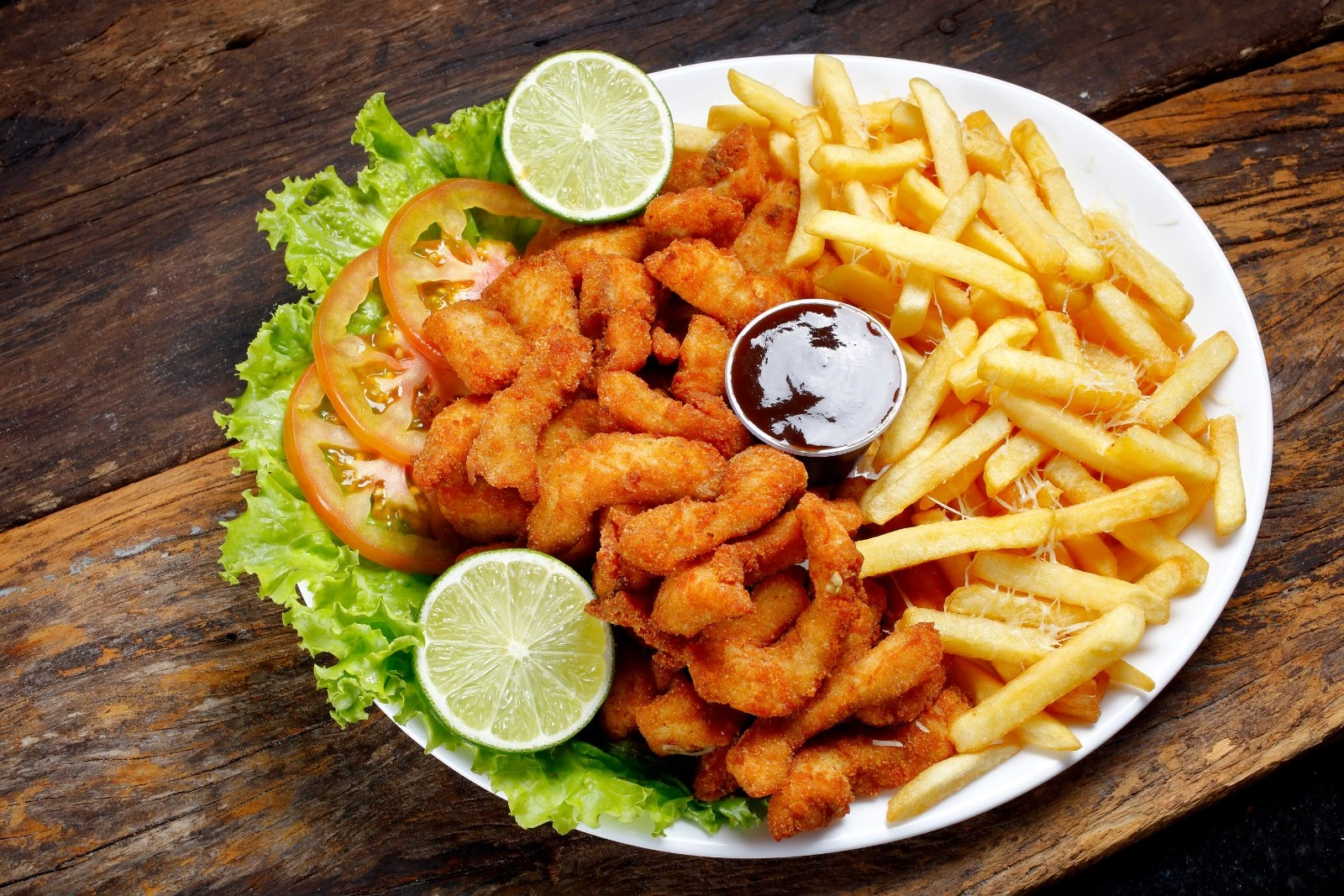
Cut tail fillets into 1-inch chunks. Soak in buttermilk for 2–4 hours. Drain, dredge in seasoned flour (salt, pepper, garlic powder, cayenne), fry at 375°F for 3–4 minutes until golden. Serve with remoulade or hot sauce. This is the dish that converts skeptics.
Gator Tail Tacos
Slice tail fillets thin and marinate in lime juice, cumin, chili powder, and garlic for 1–2 hours. Grill over high heat 2 minutes per side. Serve in corn tortillas with cabbage slaw and avocado crema. The citrus cuts any residual fishiness perfectly.
Braised Gator Legs (Low and Slow)
Brown leg quarters in a Dutch oven with salt and pepper. Remove and sauté onion, celery, and garlic. Return legs, add chicken stock to cover halfway, fresh thyme, bay leaves. Braise at 325°F for 2.5–3 hours until meat pulls from bone. Finish with Worcestershire and serve over grits. It’s a good cold-night gator recipe.
Gator Sausage
Grind neck and flank meat with 20% pork fat. Season with salt, black pepper, sage, red pepper flakes. Stuff into hog casings or form into patties. The pork fat is essential — gator is extremely lean and the sausage will be dry without it. Smoke at 200°F to 160°F internal temperature, or pan-fry patties in butter.
Nutrition: Why Gator Meat Is Worth Eating
| Nutrient (per 100g) | Alligator Tail | Chicken Breast | Venison (Lean) |
|---|---|---|---|
| Calories | 143 | 165 | 158 |
| Protein | 29g | 31g | 30g |
| Total Fat | 3g | 3.6g | 3.2g |
| Saturated Fat | 0.9g | 1g | 1.1g |
| Omega-3 fatty acids | Notable | Low | Moderate |
Alligator is one of the leanest wild meats available — comparable to chicken breast in protein and fat while offering a distinctly different flavor profile. It’s also sustainable: every harvested gator is tagged and tracked through FWC’s program, and population numbers are actively managed to healthy levels.
The Hide: What to Do With It
Premium Florida alligator hide is genuinely valuable. If you want to send the hide to a tannery, it must be salted and rolled correctly immediately after field dressing. FWC has specific hide tagging requirements — the CITES tag remains attached to the hide through the tanning process. Contact a licensed alligator hide buyer or tannery before your hunt so you know exactly how they want the hide delivered. A prime, uncut Florida alligator hide can command significant value.
Gear We Recommend
Here is the gear that makes this easier, ready to shop. As an Amazon Associate, we earn from qualifying purchases.
- Fillet knife — See knives
- Cut-resistant gloves — Shop gloves
- Cast iron skillet — See skillets
- Fish fry breading — Browse breading
- Vacuum sealer — See vacuum sealers
Related Alligator Hunting Guides
- Florida Alligator Hunting: Complete Beginner’s Guide
- Alligator Hunting Gear List: What You Actually Need
- Night Hunting for Alligators: Spotlighting Techniques
- Florida Gator Season: Dates, Permits, and FWC Application
Related Reading
- Florida Alligator Hunting: The Complete Beginner’s Guide
- Florida Gator Season: Dates, Permits, Tags & FWC Application
- Alligator Hunting Gear List: Bang Sticks, Harpoons, Snares & Lights
- Night Hunting for Alligators: Spotlighting Techniques & Safety
- Florida Alligator Hunting Rules & Regulations
- 2026 Alligator Season Dates by State
- All Alligator Hunting Guides & Gear →