How to Catch Snook in Florida: The Complete Inshore Guide
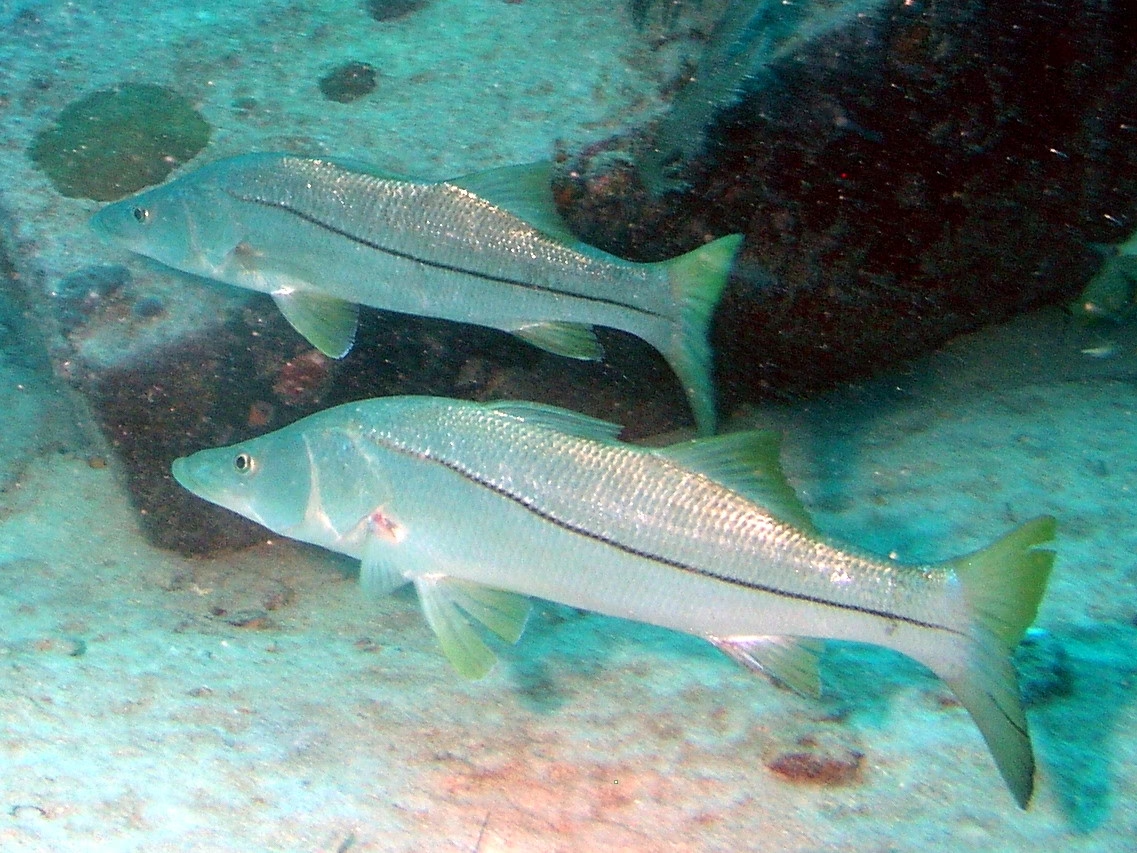
Ask any serious Florida inshore angler which species they’d fish for if they could only pick one, and the majority will say snook. Common snook (Centropomus undecimalis) represent everything great about saltwater fishing in one fish: aggressive surface strikes, incredible acrobatic runs, a preference for complex structure, and a biology sophisticated enough to keep you learning for decades.
A snook blowing up on a topwater and following it with three jumps explains why anglers get so worked up about this species. There’s nothing quite like a snook.
Understanding Snook
Snook are euryhaline, meaning they move freely between fresh and saltwater. They share grass flat territory with spotted seatrout, and it’s common to catch both species in a single inshore session. They’re found everywhere from the brackish headwaters of tidal rivers to the open Gulf beaches. This flexibility, combined with their sensitivity to cold temperatures, shapes where and when you’ll find them throughout the year.
The dark lateral line that runs the full length of the body from gill to tail is the most distinctive feature—you can’t mistake a snook for anything else once you’ve seen that line. Snook are protandric hermaphrodites: smaller fish are typically male and larger fish are female, with sex change occurring around 18 to 22 inches. This is relevant for regulations—the slot limit protects fish in the transition zone and larger breeding females.
Seasonal Snook Fishing
Snook are intensely seasonal in their behavior, which is one of the things that makes them such a compelling target.
Spring: As water temps climb above 70°F, snook become aggressive and move out of their winter haunts in rivers and deep passes toward beaches, inlets, and grass flats. Pre-spawn behavior in April and May produces some of the most exciting action of the year. Fish are actively feeding and aggressive.
Summer: Summer is spawning season for snook, which congregate in large numbers at inlets and passes. The summer spawn runs from May through October, with the biggest aggregations in June and July. Pass fishing during a summer incoming tide at dawn is peak snook activity. It can be absolutely electric.
Fall: Post-spawn snook scatter across the flats and mangrove shorelines, feeding aggressively to rebuild reserves. September and October offer fantastic numbers fishing on topwaters and soft plastics around mangrove points and oyster bars.
Winter: Cold is a snook’s enemy. Below 60°F, snook become lethargic; below 50°F, they can die from cold stress. When cold fronts arrive, fish move into warm-water refuges—deep tidal rivers, power plant discharge areas in south Florida, and the deepest portions of inshore bays. During cold weather, slow-rolling a suspending lure or a jig along the bottom of a deep channel is often the only effective technique.
Where to Find Snook
Structure is everything. The same skills used to read a tidal flat for redfish apply directly here—snook use the same current edges and depth transitions to ambush prey. Snook are ambush predators that position themselves at the edge of current seams waiting for bait to be swept to them. Target:
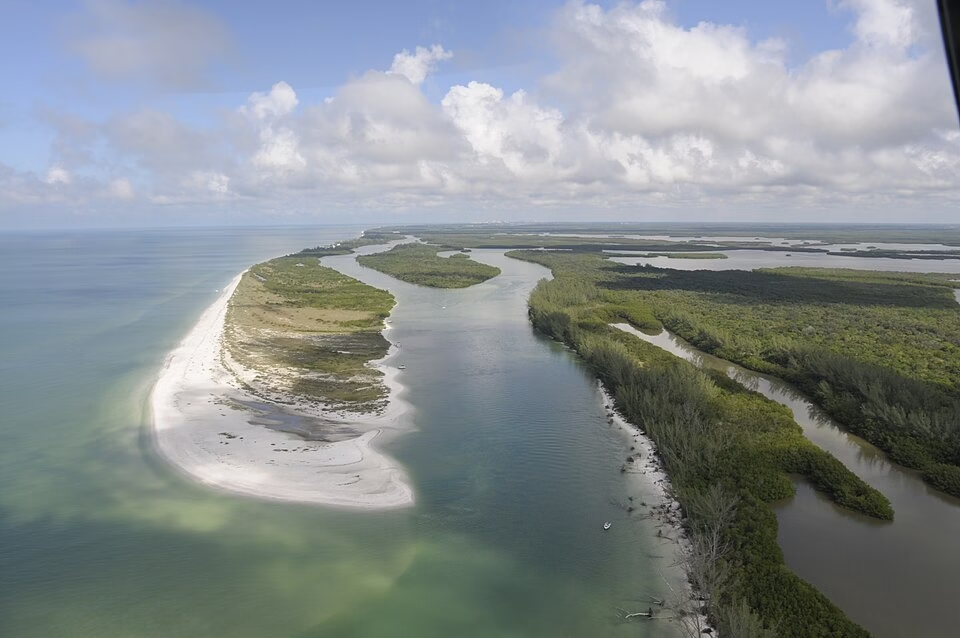
Mangrove shorelines: The primary snook habitat in much of Florida. The roots create a perfect combination of shade, structure, and current break. Cast tight to the roots—we’re talking within 6 inches—and work the lure along the edge. Snook rarely move far from cover to eat.
Inlets and passes: Particularly during summer. The current rushing through a pass concentrates baitfish and the snook follow. Fish the edges of the channel rather than the main flow, especially near any structural feature—rock outcroppings, pilings, channel marker bases.
Gulf beaches: One of the most underutilized snook fisheries is the open Gulf beach in summer. Schools of snook work the surf from May through October, particularly at first light, chasing glass minnows and pilchards through the wave wash. Sight-fishing to cruising snook in the surf is one of the most thrilling experiences in inshore fishing.
Docks and bridges: The shade line under a dock or bridge is a snook magnet, especially during daytime hours. Fish these spots at night with a topwater near the edge of a lighted shadow line for intense surface action.
Snook Tackle and Rigging
Snook fishing calls for gear built for fighting a strong fish around hard structure. A good setup is a medium-heavy 7-foot spinning rod with 20-pound braid and a 30 to 40-pound fluorocarbon leader. The heavy leader isn’t optional—snook’s gill plates can cut through lighter fluorocarbon, and you’re often fighting fish near barnacle-encrusted pilings or oyster bars that will destroy anything lightweight.
Knot your leader carefully. Use a 20-turn FG knot for braid-to-leader connection and a Palomar knot for hook or lure attachment. Check the leader before every fish—snook will fray it quickly.
Best Snook Lures and Baits
The MirrOlure MirrOdine suspending twitchbait is my all-time favorite snook lure. It perfectly mimics an injured baitfish and the erratic darting action is something snook can’t ignore. Work it with sharp rod twitches and long pauses near mangrove edges on an outgoing tide.
Topwater lures are the most exciting option when conditions allow—calm to light wind, dawn or dusk. A Heddon Super Spook Jr. or a Rico Prop Bait worked with a walk-the-dog cadence near structure produces explosive strikes.
Live bait is unbeatable in challenging conditions or when fish are finicky. Free-lined live pilchards or threadfin herring in a pass current during the summer spawn is a technique that will put double-digit snook days in your log. Live croakers drifted under docks at night are a close second.
Snook Regulations
Snook are a regulated gamefish in Florida with a slot limit, seasonal closures, and an annual snook stamp required to possess one. Check MyFWC.com for the most current rules—regulations have changed multiple times in recent years due to cold-kill events and population rebuilding efforts. Many experienced snook anglers practice strict catch-and-release and consider keeping a snook a rare occasion.
Common Snook: Quick Reference
| Category | Details |
|---|---|
| Scientific Name | Centropomus undecimalis |
| Florida Slot Limit | 28–33 inches total length (Gulf); only 1 per person/day |
| License Required | Florida Snook Permit required in addition to fishing license |
| Closed Seasons | Dec 1–Jan 31 and Jun 1–Aug 31 (Gulf coast) — verify current dates with FWC |
| Peak Action | Spring pre-spawn (Apr–May); Fall post-spawn (Sep–Oct) |
| Primary Habitat | Mangrove shorelines, passes, Gulf beaches, docks/bridges |
| Top Lures | MirrOlure MirrOdine, Heddon Super Spook Jr., large paddle tails |
| Top Live Baits | Live pilchards, threadfin herring, live croakers, free-lined shrimp |
| Best Tackle | Med-heavy 7 ft spinning, 20 lb braid, 30–40 lb fluorocarbon leader |
| Critical Tip | Cast within 6 inches of mangrove roots — snook rarely move far to eat |
Snook Seasonal Movement Summary
| Season | Where They Are | What They’re Doing | Best Technique |
|---|---|---|---|
| Winter (Dec–Feb) | Deep rivers, warm-water refuges, power plant discharges | Lethargic; survival mode in cold | Slow jig/suspending lure on bottom of deep channels |
| Spring (Mar–May) | Mangrove edges, flats, nearshore structure | Active pre-spawn feeding | MirrOdine on mangrove edges; topwater at dawn |
| Summer (Jun–Aug) | Inlets, passes, Gulf beaches | Spawning aggregations at passes | Live pilchards in pass current at first light |
| Fall (Sep–Nov) | Mangrove shorelines, oyster bars, grass flat margins | Post-spawn aggressive feeding | Topwater and soft plastics on mangrove points |
Gear We Recommend
Here is the gear that makes this easier, ready to shop. As an Amazon Associate, we earn from qualifying purchases.
- 7ft inshore rod — See inshore rods
- 3000 spinning reel — Shop reels
- Braided line — Compare braid
- Fluorocarbon leader — See leader
- Popping cork — Shop popping corks
- Soft plastic jerkbaits — Browse lures
- Fishing pliers — See pliers