Florida Pompano Fishing: Surf, Pier, and Back Bay Tactics
Florida pompano fight remarkably hard for a fish their size. Something about that deep, plate-shaped body and those powerful pectoral fins translates into one of the most thrilling light-tackle battles in the ocean. Add in the fact that pompano are arguably the best-tasting fish in the Gulf of Mexico, and you have a species worth pursuing obsessively.
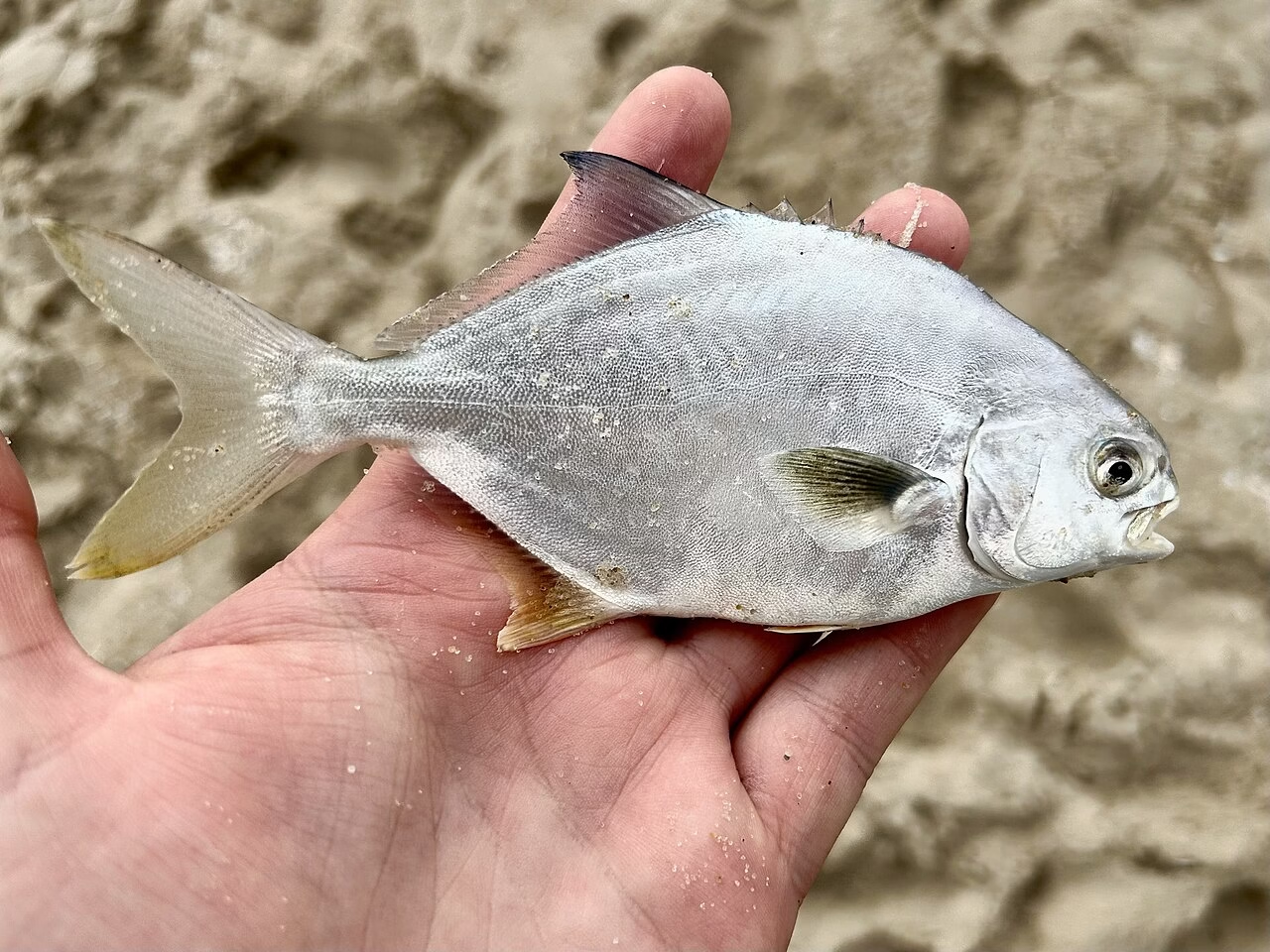
Florida pompano (Trachinotus carolinus) have a devoted following among coastal anglers, and with good reason. They’re fast, they’re beautiful, and they’re incredibly selective—which makes fooling one feel like a genuine accomplishment.
Pompano Biology and Behavior
Pompano are members of the jack family, which explains the fight. They run in loose schools, following the surf zone and nearshore structure in search of sand fleas, small clams, and coquina mussels. They’re hydrodynamically perfect—built for life in the breaking surf, where they root through the turbulence for buried invertebrates.
What makes pompano particularly interesting from a biology standpoint is their highly developed sense of smell and their ability to detect buried prey through sensory receptors in their snouts. They actually feel through sand and shell hash for buried critters, which is why certain baits and scent-enhanced artificials outperform basic offerings in many conditions.
Where to Find Pompano
Along the Florida Panhandle, pompano are primarily a warm-water species that appears in force from April through October, with peak concentrations in spring and fall as they move through our area on their migration routes. Here’s where to find them:
The surf: Pompano are quintessential surf fish. They work the second and third bars, hunting in the turbulent water behind breaking waves where sand fleas and coquinas are exposed. Look for deeper troughs between sandbars—that depression where a wave loses its peak before breaking again is prime pompano water.
Passes and inlets: During spring and fall migrations, passes see fantastic pompano action as schools move through. Fish the edges of the main channel on a moving tide. Pensacola Pass, Destin Harbor, and East Pass all produce well.
Nearshore reefs and structure: Larger pompano often hang around nearshore artificial reefs in 15 to 30 feet of water. These are less accessible but produce some of the biggest fish of the season.
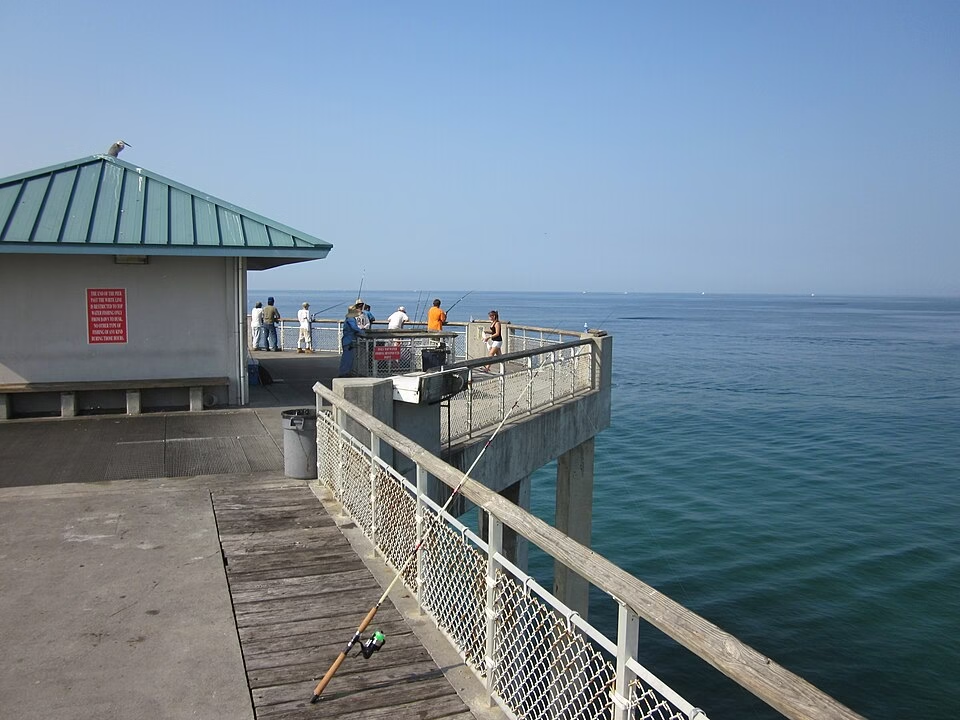
Piers: Public fishing piers like Okaloosa Island Pier and Panama City Beach Pier see excellent pompano runs in spring and fall. Pier fishing allows access to the second bar where pompano frequently feed.
Reading the Surf for Pompano
This is a skill that pays dividends for years. A calm day with clear water and a gentle surf often produces slower pompano fishing—too visible, too calm. What you want is a light to moderate northeast wind that stirs the surf and muddies the water slightly. That turbulence washes sand fleas out of the bottom and positions pompano in the wash zone in feeding mode.
Look for color changes in the water—places where the water looks slightly different, indicating a trough or depth change. A slight greenish tint or darker water between wave breaks often marks a productive depression. Target these areas with your casts rather than fishing randomly along the beach.
Tackle for Surf Fishing Pompano
A properly tied double-dropper pompano rig makes a real difference in the surf. My surf pompano setup is a 10 to 11-foot medium-heavy rod paired with a 4000-series spinning reel spooled with 20-pound braid. Leader is 25 to 30-pound fluorocarbon, about 3 feet long. The standard pompano rig uses a 3 to 4-oz pyramid sinker with two dropper loops tied 6 to 8 inches apart, each tipped with a #1 or 1/0 long-shank hook. The long shank helps when dealing with sand flea hook-up rates and makes removing hooks easier.
Cast past the first bar into the troughs and retrieve slowly, just fast enough to maintain tension. Pompano often hook themselves, but a firm lift of the rod when you feel that characteristic “pop” is good practice.
Best Pompano Baits
Sand fleas (mole crabs) are the gold standard. Sheepshead work many of the same pier pilings and surf-zone structures as pompano—don’t be surprised to mix the two in the same session. Fresh, live ones are best—hook them from the underside, through the shell, so the legs and tail hang free. They stay on the hook well and the movement is attractive. You can gather sand fleas yourself with a sand flea rake at the water’s edge during low tide, or find them at bait shops along the beach.
Fishbites artificial sand flea scented strips have revolutionized pompano fishing. They stay on the hook, don’t wash off, and produce results close to live sand fleas. Many tournament pompano anglers run a fresh sand flea on one hook and a Fishbites strip on the other for maximum coverage.
Small jigs tipped with Fishbites or sand flea pieces work very well from piers and passes. A 1/4 to 3/8 oz yellow jig head with a small yellow or orange grub is a classic pompano combination. Pump the jig slowly along the bottom and hang on.
Pompano at the Table
Pompano is the fish that Florida chefs argue over. It’s rich, sweet, buttery, and has a texture that holds up to virtually any cooking method. Pompano en Papillote—baked in parchment with herbs and vegetables—is a New Orleans classic, and for good reason. Simple pan-seared pompano with butter and lemon might be the finest ten-minute dinner in the Gulf coast repertoire. Catch-and-keep is a very reasonable choice for pompano within your legal limit; they’re exceptional table fish.
Florida Pompano Regulations
Florida pompano must be at least 11 inches in fork length, with a bag limit of 6 per angler per day. These regulations are important—pompano face significant commercial harvest pressure, and recreational anglers keeping reasonable numbers of fish for personal use helps maintain long-term population health. Always verify current rules with FWC before your trip.
Florida Pompano: Quick Reference
| Category | Details |
|---|---|
| Scientific Name | Trachinotus carolinus |
| Florida Size Limit | 11 inches fork length |
| Bag Limit | 6 per person/day |
| Peak Season | Spring migration (Mar–May) and Fall (Sep–Oct) |
| Primary Habitat | Surf zone troughs, passes, nearshore reefs, pier pilings |
| Top Baits | Live sand fleas (mole crabs) — #1 choice; Fishbites sand flea strips, small jigs |
| Best Surf Conditions | Light NE wind, slight chop, slightly off-color water — pushes sand fleas into surf |
| Recommended Rig | Pompano rig: 3–4 oz pyramid sinker, two dropper loops, #1 long-shank hooks |
| Best Tackle | 10–11 ft surf rod, 4000-series spinning, 20 lb braid, 25–30 lb fluoro leader |
Understanding the Surf Zone — Where Pompano Hold
Pompano concentrate in the troughs between sandbars where wave turbulence dislodges sand fleas and coquina clams. The diagram below shows a typical Gulf beach cross-section and where to target your casts.
Pompano hold in the troughs behind breaking waves where turbulence dislodges sand fleas. Target your casts into these depressions.