Mahi-Mahi Fishing in the Gulf of Mexico: Offshore Tactics for Dolphinfish
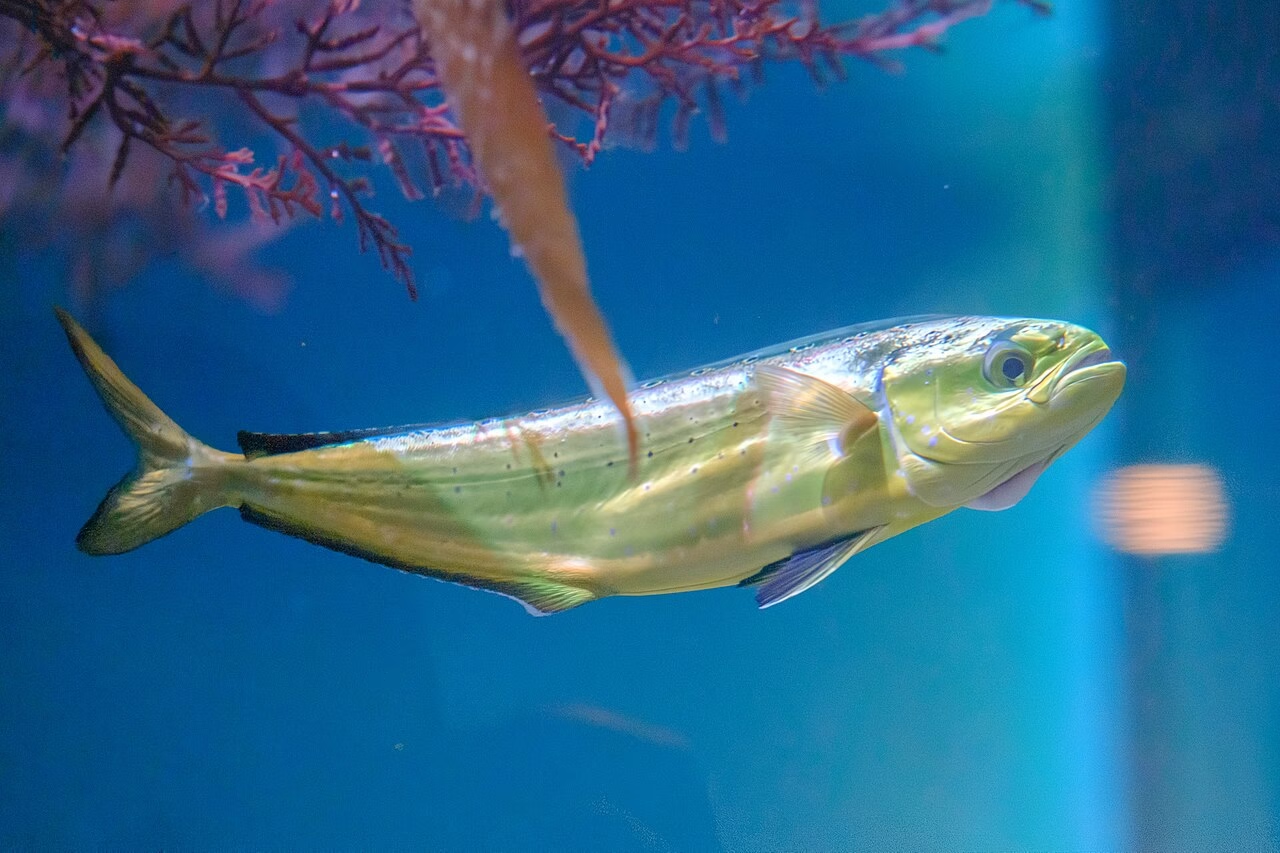
There are fish you catch and there are fish that stay with you. Mahi-mahi belong to the second category. Pulled over the gunwale, a fresh mahi is all electric blue, gold, and green, glowing like something that shouldn’t exist in nature. Some fish are just different.
Mahi-mahi (Coryphaena hippurus), also called dolphinfish or simply “mahi,” are one of the most sought-after offshore species in the Gulf of Mexico. They’re fast, colorful, incredibly acrobatic fighters, and they reproduce quickly enough to sustain significant fishing pressure—a rarity among offshore species. They’re also exceptional table fish, which doesn’t hurt.
Understanding Mahi-Mahi
Mahi are true pelagic fish—open-water species that follow currents, temperature breaks, and floating structure rather than bottom features. They’re among the fastest-growing fish in the ocean, reaching 40 pounds in their first year, and they’re one of the most prolific spawners among large pelagic species, which is why populations have remained healthy despite heavy fishing pressure worldwide.
The males (bulls) are identified by their dramatically squared-off forehead; females (cows) have a more rounded head profile. Schools of smaller “schoolie” mahi, typically 2 to 10 pounds, will be mixed sexes, while larger fish often travel in smaller pods or as individuals. A true bull mahi over 40 pounds is a trophy fish by any measure.
Finding Mahi in the Gulf
Mahi fishing is about reading the ocean, not the bottom. If you’re heading out this far, consider targeting cobia on nearshore structures on the way out—spring offshore trips frequently produce both species in a single day. The key factors are water temperature, color, and floating structure:
Temperature breaks: Mahi concentrate at the edges between water masses of different temperatures. In the Gulf, the blue Loop Current water (typically 78°F and above in summer) meets cooler coastal water, creating a temperature break that acts like a highway for mahi. A good chart plotter with SST (sea surface temperature) data is invaluable for finding these edges.
Color changes: The visual transition from dark blue offshore water to greener coastal water often marks a current edge. Mahi stack along these color lines, particularly where there’s any kind of floating debris along the break.
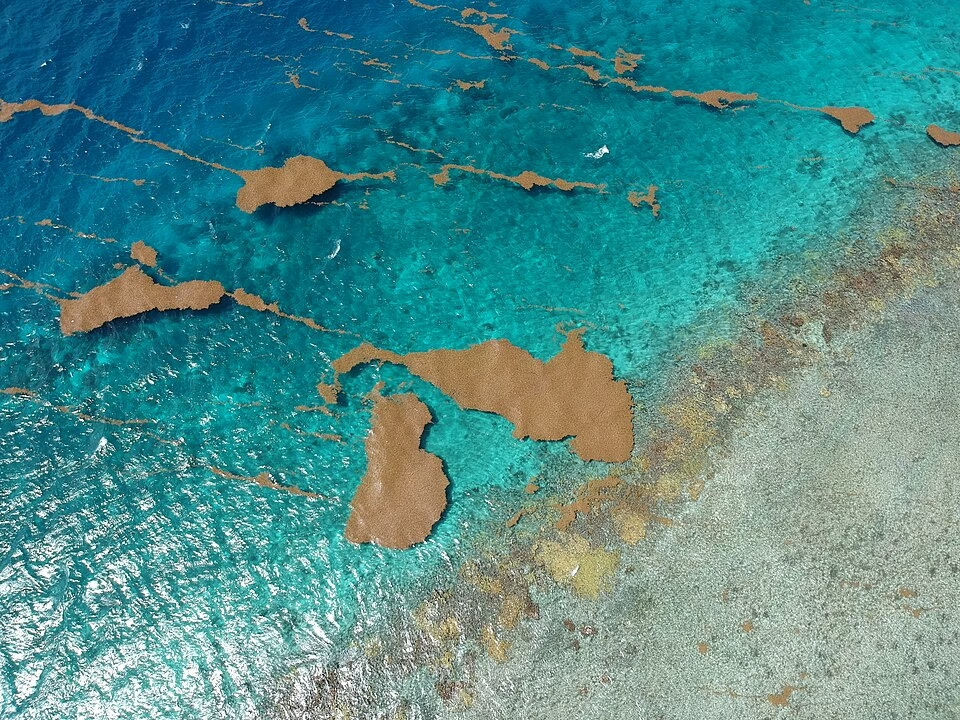
Floating structure (weedlines and debris): This is the single most reliable mahi indicator. Sargassum weed mats, floating debris—lumber, pallets, coolers, anything that’s been at sea—all concentrate bait fish, which concentrate mahi. A good weedline in blue water during summer is practically guaranteed to hold mahi. Work along the weed rather than through it, keeping lures and baits along the edge.
Buoys and offshore platforms: Any fixed structure in blue water holds mahi. Offshore platforms 50 to 100 miles out can hold extraordinary numbers of mahi, particularly around the barnacle growth and baitfish schools that accumulate on the structure.
Seasonal Timing
In the Gulf of Mexico off the Florida Panhandle, mahi are most reliably present from May through October when the Loop Current brings warm blue water close enough to reach on a day trip from Destin or Panama City. The peak months are typically June through August, when water temperatures are highest and Sargassum weedlines are most common. Some years produce spectacular mahi fishing from April onward; other years the fish don’t show until June. Following current charts and sea surface temperature satellite data dramatically improves your odds.
Mahi Tackle
For an overview of offshore terminal tackle options, see our saltwater fishing rigs guide. A versatile medium-heavy spinning setup works well for mahi: a 7-foot rod with a 5000-series reel, 30-pound braid, and a 40 to 60-pound fluorocarbon leader of about 6 feet. This handles schoolie mahi easily and can manage a large bull with patience. For trolling, conventional gear in the 20 to 30-pound class is standard.
Mahi have a moderate-sized mouth with small teeth and are not particularly leader-shy, so there’s no need to go to wire leader unless you’re in an area with kings or wahoo mixed in.
Techniques for Mahi
Drifting weedlines: My favorite mahi method. Drift along a Sargassum edge and pitch small jigs, soft plastics, or live bait into the weeds and along the edge. Watch for birds working the weed—they’re often directly over feeding mahi.
Trolling: Trolling a spread of ballyhoo under small offshore skirts, swimming plugs, or small skirted ballyhoo rigs is highly effective for covering water and finding mahi when they’re spread out. Mahi will often come from a surprising distance to hit a trolled bait.
Kite fishing and live bait: When you find a school of mahi under floating structure, keeping one hooked up in the water will hold the rest of the school. This “one in the water” technique is the fastest way to fill a cooler—the school becomes frenzied as one fish fights and will eat nearly anything you throw.
Fly fishing: Mahi under floating debris or following a teaser are exceptional fly rod targets. They’ll eat a large popper or a chartreuse clouser aggressively when properly teased up.
Regulations and Table Quality
Federal mahi regulations apply in the Gulf (beyond 9 nautical miles): 10 per person per day, minimum 20 inches fork length. State waters have similar regulations. Mahi are one of the most sustainable offshore species given their rapid reproduction rate.
Mahi-mahi is exceptional table fish—firm, mild, slightly sweet white flesh that’s incredibly versatile. Blackened, grilled, tacos, ceviche—it’s difficult to do wrong. Fresh mahi, prepared simply the day of the catch, is one of the finest seafood meals available anywhere.
Mahi-Mahi: Quick Reference
| Category | Details |
|---|---|
| Scientific Name | Coryphaena hippurus |
| Federal Size Limit | 20 inches fork length (federal waters) |
| Bag Limit | 10 per person/day (federal waters) |
| Peak Season in Gulf | June–August; fish present May–October in warm years |
| Key Indicator | Sargassum weedlines in blue water — the single best mahi predictor |
| Water Temperature | 74°F+ (78°F+ for highest density); follow Loop Current edges |
| Top Baits | Trolled rigged ballyhoo (skirt over), free-lined live pilchards, small jigs |
| Best Tackle | Med-heavy spinning, 30 lb braid, 40–60 lb fluoro; or 20–30 lb class conventional for trolling |
| ID: Bull vs. Cow | Bull = squared-off forehead; Cow = rounded head; males typically larger |
| School Holding Trick | “One in the water” — keep one hooked up to hold the school while others cast |
Gulf of Mexico Mahi — Monthly Availability Guide
| Month | Availability (Panhandle) | Notes |
|---|---|---|
| Jan–Mar | ❌ Very rare | Cold water; Loop Current far offshore |
| April | 🟡 Possible in good years | Check SST charts — some years warm water arrives early |
| May | 🟢 Present | Schoolies moving in; offshore 50+ miles reliable |
| Jun–Aug | ✅ Peak season | Best numbers and size; weedlines frequent; day trips productive |
| September | 🟢 Very good | Post-summer fish still active; often find larger bulls |
| October | 🟡 Slowing | Fish still present but moving offshore as water cools |
| Nov–Dec | ❌ Uncommon | Rare in Gulf Panhandle waters; may find fish offshore 80+ miles |