How to Skin, Clean & Process an Alligator (Meat + Hide Guide)
The hunt ends at the boat ramp — the work starts there. An alligator is one of the most valuable animals a Southern hunter will ever put a tag on: 8–10 feet of meat, a hide worth preserving, and a skull worth keeping. It’s also one of the easiest animals to ruin with slow field care in August heat. This guide walks the whole job: securing and tagging, cooling, skinning, breaking down the meat, and salting the hide right.
Quick answer: get the carcass on ice within an hour, skin the same day, and expect roughly 30–35% of body weight in usable meat — an 8-foot gator yields about 40–60 lbs. Salt the hide heavily the day it comes off, or it won’t survive to the tannery.
Before the processing table comes the take: how legal baited sets work, state by state, in the alligator baiting guide.
Step 1: Secure, tag, and validate — before anything else
Every state requires the CITES tag attached immediately after harvest — usually within 6 inches of the tail tip — and most require harvest reporting within 24 hours. Tape the jaws (heavy tape or zip ties), even on a dispatched gator; jaw reflexes are real for hours. Check your state’s exact tagging and reporting rules in our 2026 alligator season hub and the state rules guides linked there.
Step 2: Cool it fast — the hour that decides everything
Gator seasons run in the hottest months, gators come in at night, and a 200-lb carcass holds heat like a barrel of water. Meat sours from the inside out. If you can’t skin immediately, get the whole animal (or the whole tail section) on ice. This is why serious gator crews run a 150+ quart cooler or an ice-filled deck box — a mid-size gator will not fit in a 48-quart. Layer ice inside the body cavity once it’s open.
Step 3: Skinning — belly cut vs. hornback
Two ways to take a hide, and the choice depends on what you want from it:
| Cut | How | Best for | Trade-off |
|---|---|---|---|
| Belly cut (down the back) | Incision along the spine ridges, hide comes off under the belly | Leather — wallets, boots, belts (the valuable side is the smooth belly) | Sacrifices the back ridges |
| Hornback cut (down the belly) | Incision up the centerline of the belly, hide keeps the armored back | Taxidermy, mounts, display hides | Belly leather split by the cut |
Work with a short, razor-sharp blade and take your time at the legs and jaw. A dedicated skinning knife plus a sharpener you’ll actually use mid-job beats one big blade — gator hide dulls edges fast, and most of the “hard” in this job is really a dull knife. Wear cut-resistant gloves; you’re working around bone plate with a scalpel-sharp edge.

Step 4: The meat — what you get and where it is
| Cut | Where | Character | Best use |
|---|---|---|---|
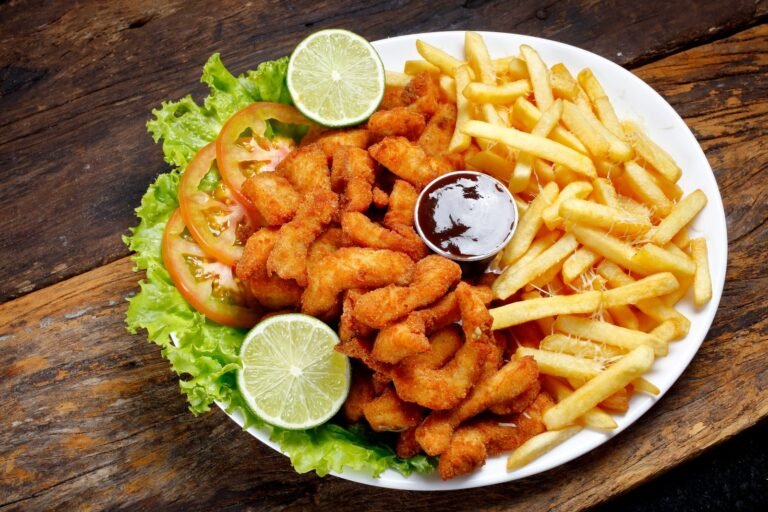
| Tail meat | Tail, in four strips around the vertebrae | White, mild, tender — the prize | Fried gator bites, grilling |
| Tenderloin | Two strips inside the tail base | The filet mignon of the animal | Sear whole |
| Jaw & cheek | Head | Small, surprisingly tender | Sausage, gumbo |
| Leg & body meat | Legs, ribs, torso | Darker, more sinew | Slow cook, sausage, jambalaya |
Rough yield: 30–35% of live weight. A 6-footer gives 25–35 lbs of meat; an 8-footer 40–60 lbs; a 10-foot bull can top 100 lbs. Trim every trace of fat — gator fat turns fishy fast and it’s where off-flavors live. Bag the meat in a vacuum sealer the same day; sealed gator holds 6+ months frozen where loose freezer bags give you freezer burn by Thanksgiving.
Step 5: Salting and saving the hide
Flesh the hide (remove every bit of meat and fat), then salt it the same day it comes off — a heavy, even 1/2-inch layer of fine mixing salt rubbed into every fold, edge, and scute pocket. Expect to use 25–50 lbs of salt on a decent gator. Roll it flesh-side-in after 24 hours, drain, and re-salt. Keep it cool and dry until it goes to the tannery; do NOT freeze a salted hide, and never dry it in the sun. Tanneries reject more hides for bad salting than for bullet holes.
The processing kit at a glance
- 150+ qt cooler — carcass and meat cooling — see coolers on Amazon (or our cooler guide)
- Skinning knife + sharpener — the whole job rides on the edge — see knife kits on Amazon
- Cut-resistant gloves — see gloves on Amazon
- Vacuum sealer + bags — 6-month meat instead of 6-week meat — see sealers on Amazon
- Fine mixing salt (25–50 lbs) — hide preservation — see salt on Amazon
- Heavy game shears — ribs and joints — see shears on Amazon
As an Amazon Associate we earn from qualifying purchases.
Alligator processing FAQ
How much meat do you get from an alligator?
Plan on 30–35% of body weight: roughly 25–35 lbs from a 6-footer, 40–60 lbs from an 8-footer, 100+ lbs from a 10-foot bull.
How long do you have to process a gator?
In summer heat, hours — not days. Ice the carcass within the hour, skin same-day, and have meat sealed and frozen within 24 hours.
Can you sell an alligator hide or meat?
Hides yes, through licensed buyers/tanneries with the CITES tag intact — rules vary by state. Meat sales are regulated separately and in most states require a license; personal consumption is unrestricted.
What does alligator taste like?
Tail meat is mild, white, and firm — closer to chicken thigh crossed with white fish than anything gamey. Off flavors come from fat left on the meat, not the meat itself.
Before your next tag
Processing is the back half of a system — the front half is covered across our gator cluster: 2026 season dates & tags, heavy snagging rods, treble snag hooks, night spotlights, and the full nighttime checklist.