Night Hunting for Alligators: Spotlighting Techniques and Safety
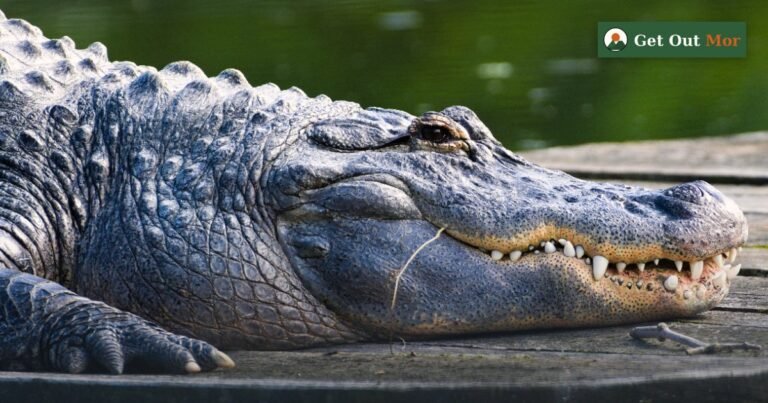
Alligator hunting in Florida happens at night, and that’s not just tradition — it’s biology. Alligators are apex predators most active after dark, and their behavior shifts dramatically between day and night. The eye shine that spotlighting exploits is a biological feature called the tapetum lucidum, the same reflective layer behind the retina that makes a cat’s eyes glow in headlights. Understanding how to read that eye shine, how to approach without detection, and how to work safely in the dark is the core skill set of a Florida gator hunter.
Why Nighttime Hunting Works
During daylight, alligators bask on banks, logs, and vegetation mats to regulate their body temperature. At night, they move to open water to hunt — and they become significantly less vigilant. A gator floating in open water at 11 PM is far more approachable than one on a sun-warmed bank at noon. The nighttime hunting advantage is compounded by Florida’s warm water temperatures during the August–October season: warm water keeps gators in the shallows and feeding actively through the night.
Boat Setup for Night Operations
Your boat setup matters more at night than during any daytime hunt. Poor organization means fumbled gear at the worst moment. Here’s how to configure a two-person boat for night alligator hunting:
| Position | Person / Gear | Responsibility |
|---|---|---|
| Bow | Spotter / Harpoonist | Operates spotlight, identifies gators, makes the throw |
| Stern | Boat Operator | Controls trolling motor, manages approach, operates snare and bangstick |
| Port gunwale | Harpoon setup (ready) | Line pre-staged in coils; dart mounted; float secured to cleat |
| Starboard gunwale | Snare pole + bangstick | Within reach of stern person; bangstick unloaded until needed |
| Floor between seats | Cooler + jaw snare | Accessible but not in walkway |
The Spotlighting Technique
Spotlighting is a skill that improves dramatically with practice. The basics are straightforward; the nuance takes seasons to develop.
How to Sweep the Light
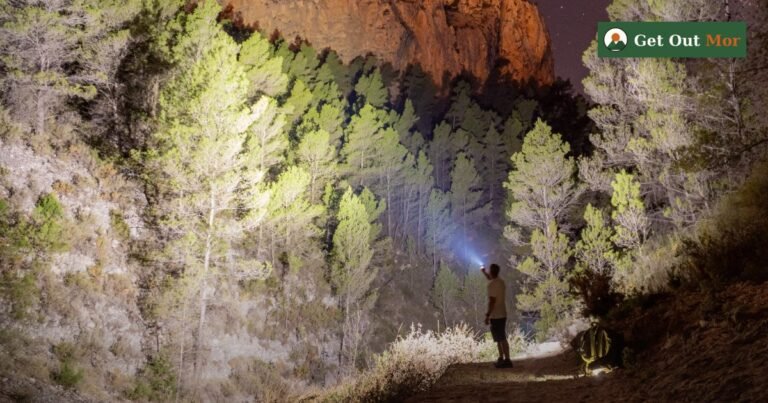
Hold the spotlight at eye level and sweep it slowly across the water’s surface. Move the beam in long, deliberate arcs — 30–45 seconds per full sweep. Rushing the sweep means your eyes don’t have time to register the faint orange-red glow of a distant gator. On large open water, cover quadrants systematically. In creek channels and cypress backwaters, work one bank at a time.
Reading Eye Shine
The color and brightness of eye shine tells you a surprising amount about the animal before you ever get close:
| Eye Shine Appearance | Likely Interpretation |
|---|---|
| Bright orange-red, widely spaced (6–8 inches apart) | Large adult — likely 8+ feet |
| Bright orange-red, closely spaced (2–4 inches apart) | Medium gator — 4–7 feet |
| Dim or yellowish, very close together | Small juvenile — under 4 feet |
| Single bright white point, moving | Fish (catfish, bass) near the surface |
| Two green or amber points at water’s edge | Frog or snake — not a gator |
| Orange-red pair, only one point visible, partially submerged | Gator with body angled away — judge size by distance between eyes |
The standard rule of thumb: distance between the eyes in inches roughly equals body length in feet. A pair of eyes six inches apart is likely a six-foot gator. Eight inches apart — likely eight feet. This is approximate, but it’s consistent enough to be reliable with practice.
The Approach: Getting Close Without Spooking the Animal
This is where most first-timers fail. A gator floating in open water will tolerate a boat at a distance but becomes aware of approach noise well before you think. The stages of a successful approach:
Stage 1: Mark the Target (100–200 yards)
When you spot eye shine, immediately mark the position mentally or with a waypoint. Keep the beam on the eyes — as long as you keep light on a gator, it tends to hold its position. Switch off the gas outboard and transition to electric trolling motor here. Note the wind direction and approach from downwind when possible.
Stage 2: Close Distance (50–100 yards)
Move the trolling motor to its lowest speed setting. Make no sudden movements on the boat — hull noise, foot stomping, and rocking all transmit through the water. Keep the spotlight beam steady on the eyes. Talking at low volumes is fine; abrupt loud sounds are not.
Stage 3: Final Approach (15–30 yards)
This is the most critical phase. The boat operator should have the trolling motor at minimum speed or off, paddling if necessary for the final few yards. The bow person has the harpoon ready in their throwing hand with the line coiled cleanly. Aim to close to within 10–15 feet for the throw — this is not a distance throw, it’s a controlled, accurate drive of the dart into the base of the skull or back of the neck.
Stage 4: The Throw
Aim for the back of the skull, the neck, or behind the front shoulder. Drive the dart downward with force — a soft throw often doesn’t penetrate deep enough to hold. Immediately after throwing, the bow person drops the pole and manages the hand line as the gator reacts. The float attached to the line gives you a visual reference if the gator submerges.
After the Strike: Managing a Secured Gator
The period immediately after a successful harpoon strike is dangerous. Here’s the sequence:
- Let the gator run — don’t try to hold a large gator immediately. Let it tire against the float and line
- Stay back — keep the boat at safe distance while the gator thrashes
- Recover the float — retrieve the float line and work the gator toward the boat slowly
- Apply the snare — loop the snare around the neck or nose when the gator surfaces near the boat
- Dispatch with the bangstick — place firmly against the base of the skull; fire once
- Jaw-tape immediately — even after dispatch, tape jaws before any handling
- Tag and record — attach CITES tag to the tail, note time and location
Alligators can bite reflexively for up to an hour after death. The muscles in the jaw are among the last to stop responding. Always tape the jaws before handling, even with a clearly dispatched animal. This is the most common cause of injury during alligator harvest.
Night Hunting Conditions: What Affects Success
| Condition | Effect on Hunt | Strategy |
|---|---|---|
| New moon (no moonlight) | Excellent — maximum eye shine visibility | Prime hunting nights; plan hunts around new moon |
| Full moon | Reduced spotlight effectiveness; gators more active overall | Still productive; hunt early in the night before moon rises |
| Wind (15+ mph) | Chop on water makes eye shine harder to spot; boat control difficult | Hunt protected coves and back bays; avoid open water |
| Rain | Gators become less active; safety concerns | Reschedule if possible; lightning risk on open water is real |
| Cold front (temp drop 15°F+) | Gators move to deeper, warmer water; less surface activity | Hunt deeper channels; wait until water warms after front passes |
| Calm, clear, warm night | Ideal — gators surface and feed actively | Make the most of these nights |
Lighting & Night-Hunting Gear (Where to Buy)
Good light is the difference between spotting eye-shine at 100 yards and going home empty. This is the gear we rely on after dark. As an Amazon Associate, we earn from qualifying purchases.
- Handheld spotlight — Shop spotlights
- Headlamp (hands-free) — See headlamps
- Green scanning light — Compare green lights
- Spare rechargeable batteries — Browse batteries
- Bow-mounted light — See bow lights
- Marine spotlight for the boat — Shop marine lights
Related Reading
- Florida Alligator Hunting: The Complete Beginner’s Guide
- Florida Gator Season: Dates, Permits, Tags & FWC Application
- Alligator Hunting Gear List: Bang Sticks, Harpoons, Snares & Lights
- How to Process and Cook Alligator Meat: Field to Table
- Florida Alligator Hunting Rules & Regulations
- 2026 Alligator Season Dates by State
- All Alligator Hunting Guides & Gear →