Cobia Fishing: How to Find and Catch Florida’s Brown Torpedo
Cobia often show up around reef buoys offshore, and first-timers don’t always recognize what they’re seeing. A dark, shark-shaped silhouette cruising slowly just below the surface, right next to a cownose ray. I cast a jig at it almost on instinct—and the fish exploded on the lure before it had sunk three feet. Expect long, powerful runs; landing a big cobia can take the better part of an hour.
Cobia (Rachycentron canadum) are one of those species that make offshore fishing in the Gulf of Mexico genuinely exciting. They’re large, powerful, and bizarrely approachable—you can find them following rays and sharks on the surface, swimming right up to your boat, or hanging under buoys and channel markers like they own the place. No other pelagic fish behaves quite the same way.
Cobia Biology and Range
Cobia are the sole member of their family, Rachycentridae—there’s nothing else quite like them. They’re cosmopolitan, found in warm coastal waters worldwide, but the Gulf of Mexico produces exceptional cobia populations. Along the Florida Panhandle, cobia are most abundant from March through June as they migrate east through the Gulf on their spawning run, then again in fall as they move back west.
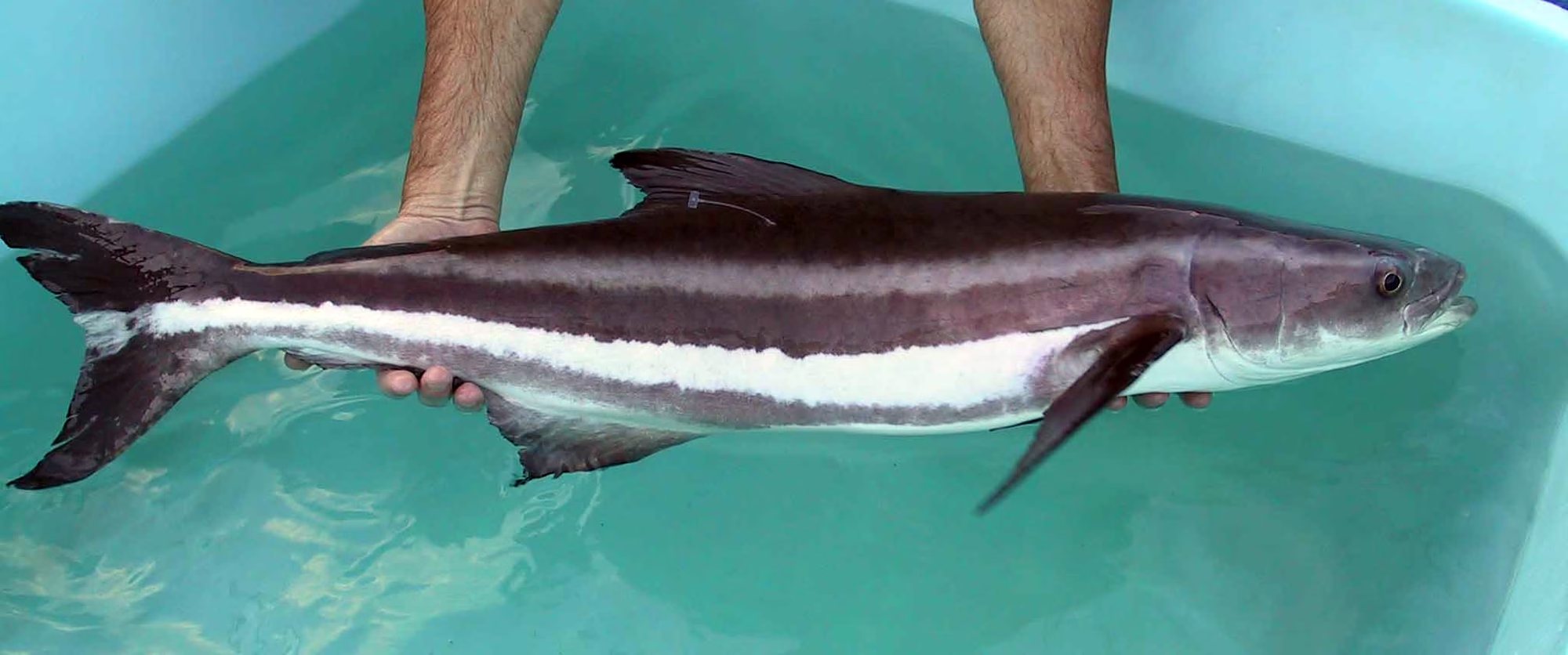
Adult cobia are identified by a distinctive dark brown lateral stripe running from head to tail on an otherwise light body, a depressed head profile, and a shark-like first dorsal fin. They’re strong open-water swimmers that can exceed 100 pounds, though most fish caught inshore and nearshore range from 20 to 60 pounds. A 40-pound cobia on 20-pound tackle is a serious fight.
The Spring Migration: Best Time to Fish
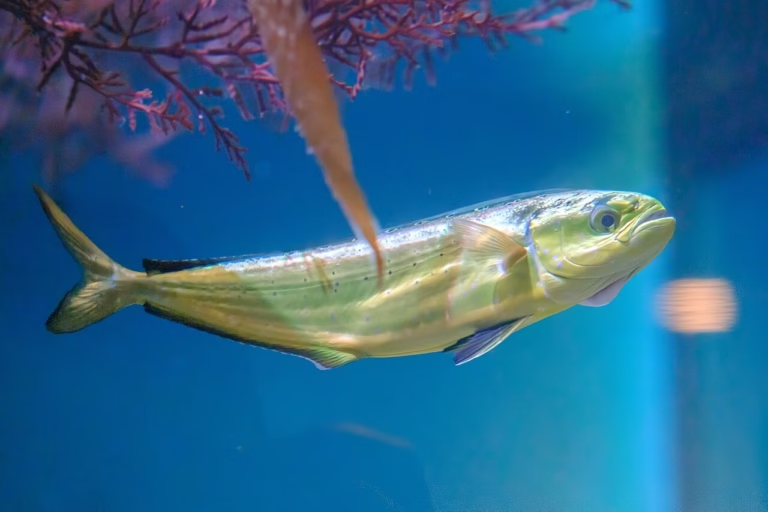
March through May is prime cobia season along the Panhandle. The same offshore runs that produce cobia frequently encounter mahi-mahi on weedlines farther out—many anglers plan their spring trips to target both. As water temperatures climb into the mid-60s, cobia begin their eastward migration, and they do something remarkable: they travel near the surface and frequently associate with large rays—cownose, southern, and eagle rays—using them almost like moving reefs. This behavior makes sight-fishing for cobia possible from boats, and even from beaches and piers.
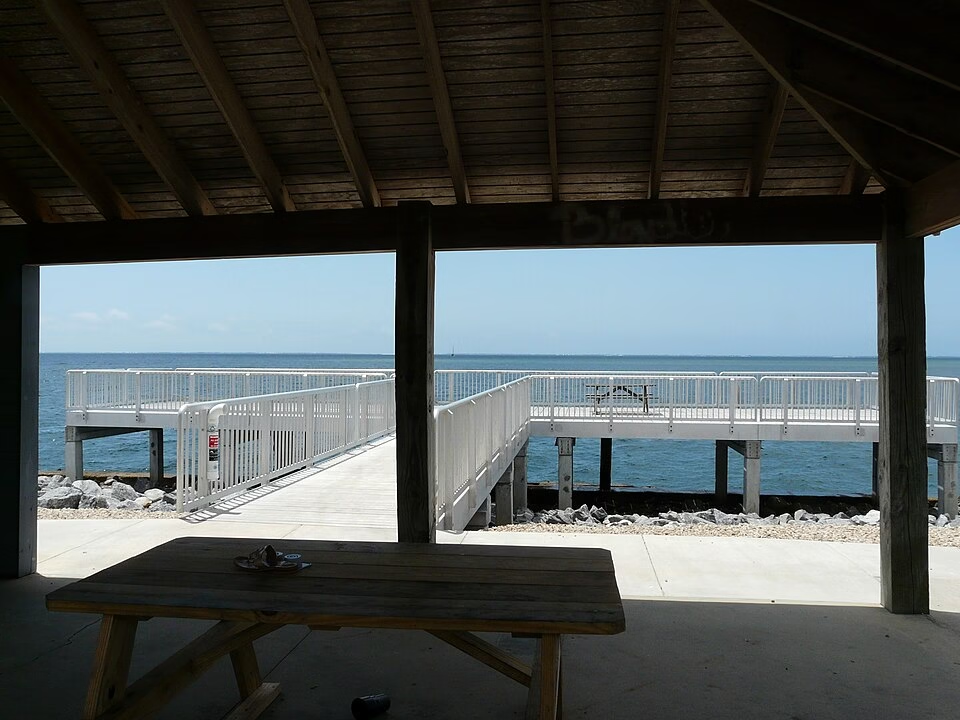
During the spring run, pier anglers at Pensacola Beach Pier, Okaloosa Island Pier, and other Gulf piers intercept migrating cobia in large numbers. Cobia will swim right under a pier, sometimes pausing under the structure. This is fishing as visual sport—spot the fish, present the bait, watch the take. It’s spectacular.
Finding Cobia
Year-round, cobia associate with structure and moving objects. My most consistent spots include:
Offshore buoys and channel markers: Any large buoy in 10 to 50 feet of water may hold cobia. The shade, structure, and associated bait draw fish like a magnet. Always idle up slowly and look before you stop—cobia hanging under a buoy will swim away if they’re spooked by boat noise.
Large rays: During spring migration, cruising cobia often travel with cownose rays. Work the flats in 10 to 25 feet of water looking for ray schools, and check the water around them carefully. Multiple cobia traveling with one ray school is common.
Nearshore reefs: Ledges and artificial reef structures in 20 to 60 feet hold cobia throughout the season. They often suspend 10 to 20 feet above the bottom structure, so jigging the mid-water column is more effective than fishing the bottom.
Oil and gas platforms: Offshore structure holds enormous cobia populations. Platform fishing 30 to 100 miles offshore produces the largest fish, though it requires a longer run.
Cobia Tackle
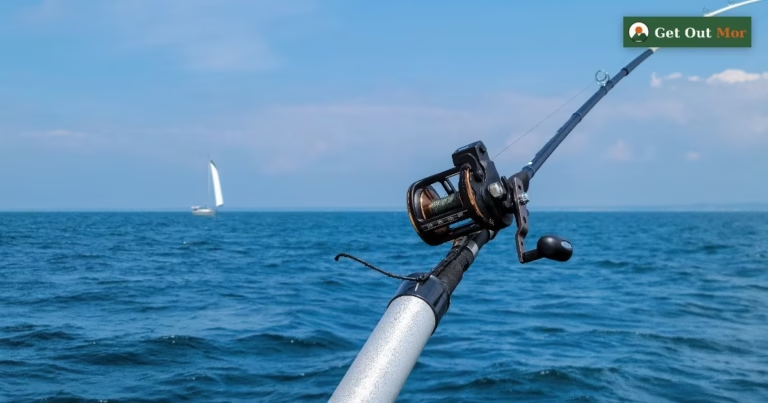
Cobia require serious gear. The live-bait and jig rigs described in our saltwater rigs guide are a good foundation before dialing in cobia-specific presentations. A good choice is a heavy spinning rod—7 to 7.5 feet, rated for 20 to 40-pound line—with a 5000 or 6000-series reel. My standard setup runs 30-pound braid to a 60 to 80-pound fluorocarbon leader of 6 to 8 feet. Cobia have rough scales and abrasive mouths that will destroy light leader material.
For sight-fishing and pier fishing, a long, stout spinning rod gives you the reach and backbone to stop a big fish from running into the pier structure. When fishing around buoys and structure, I sometimes switch to a conventional setup for better control during a long fight.
Best Cobia Lures and Baits
Bucktail jigs are the quintessential cobia lure—a white or chartreuse 3/4 to 2-oz bucktail with a large paddle tail grub trailer is nearly irresistible when worked erratically near the surface or jigged through the water column. The eel-like action triggers an instinctive response even from fish that show no other interest in eating.
Soft plastic swimbaits on heavy jig heads (1 to 2 oz) work extremely well, especially when cobia are holding deeper around structure. Large paddletail shads in white, chartreuse, or dark natural colors all produce.
For live bait, an eel is the gold standard—cobia will travel long distances for a live eel. Live hardtail jacks (blue runners), pigfish, pinfish, and large shrimp are all effective. When presenting to a visible fish, keep the bait moving naturally and positioned in the fish’s path rather than directly at it—let the cobia find the bait rather than chasing it.
Fighting Cobia
Large cobia fight differently than most inshore fish. They run hard but not in long sustained bursts—they tend to power in short, muscular runs, then attempt to sound (dive straight down). Keeping the fish’s head up is critical. A cobia that gets beneath the boat is a serious problem, particularly near a pier or structure.
Be cautious at the boat. Cobia are notorious for going berserk at boatside—what looks like a ready-to-gaff fish will surge into a second run the moment it sees the boat. Keep drag pressure on throughout the fight and have a large landing net ready. Once the fish is in the net, secure it quickly; a large cobia thrashing loose in a boat can cause serious injury.
Regulations
Florida cobia have a minimum size of 33 inches (fork length) with a bag limit of 1 per angler, up to 2 per vessel per day. These limits reflect the species’ relatively slow maturity and the value of large breeding females. Given their exceptional table quality—firm, white, versatile meat that’s often compared to mahi—keeping one legal fish per trip is a reasonable harvest goal.
Cobia: Quick Reference
| Category | Details |
|---|---|
| Scientific Name | Rachycentron canadum |
| Florida Size Limit | 33 inches fork length |
| Bag Limit | 1 per person/day; 2 per vessel/day maximum |
| Peak Season | Spring migration (Mar–May); secondary run in fall |
| Primary Habitat | Nearshore buoys, traveling with large rays, platform structure |
| Top Lures | White/chartreuse bucktail jig with paddle tail grub (3/4–2 oz); large swimbaits |
| Top Live Baits | Live eels (best), blue runners, pinfish, live shrimp |
| Best Tackle | Heavy spinning 7–7.5 ft, 30 lb braid, 60–80 lb fluorocarbon leader, 5000–6000 reel |
| Identification Tip | Dark brown lateral stripe head-to-tail; depressed flat head; shark-like first dorsal fin |
| Safety Note | Have a large landing net ready — cobia surge violently at boatside and can injure an angler |
Cobia Fishing by Location & Technique
| Location | Season | Technique | Avg. Fish Size |
|---|---|---|---|
| Nearshore buoys (10–30 ft) | Year-round | Cast jig or live bait next to buoy; approach slowly from downwind | 20–50 lb |
| Following cownose rays | Mar–May migration | Intercept traveling fish; cast jig into path ahead of ray school | 15–40 lb |
| Pier fishing | Mar–May migration | Sight-cast to passing fish from pier rail; bucktail jig or live bait | 15–35 lb |
| Nearshore artificial reefs | May–Oct | Jig the mid-water column (not the bottom); bait on a slow drift | 25–60 lb |
| Offshore platforms (30–100 mi) | All year | Live bait free-lined around structure; large swimbaits on heavy jig heads | 40–100+ lb |